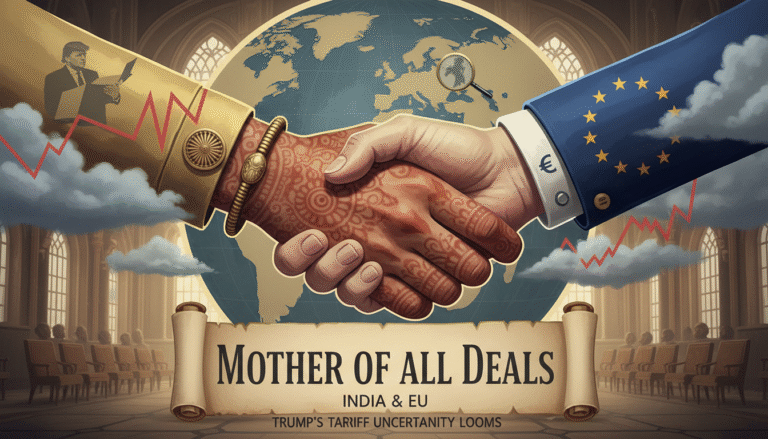

As the United States heads into 2025, its economic outlook is shaped by a mix of resilience and uncertainty. Consumer spending, inflation, Federal Reserve policy, labor trends, and global trade are at the heart of economic performance. While challenges persist, strategic opportunities in technology, manufacturing, and services may guide the nation through shifting tides.
Consumer Spending and Inflation: The Balancing Act
Consumer spending, which powers nearly 70% of the U.S. economy, remains a key driver. Americans are adjusting to higher prices due to lingering inflation, impacting retail, travel, and dining sectors. However, a strong job market and wage growth continue to support demand. Economists note that e-commerce and services—like healthcare and tech subscriptions—are seeing robust expansion.
Federal Reserve actions will play a crucial role in 2025. Interest rates remain elevated as the central bank aims to keep inflation in check without stalling growth. This delicate balance affects mortgages, business loans, and credit markets, with every policy move closely watched by investors and businesses.

🔗 Source: Pixabay
Jobs, Technology, and the Changing Workforce
The labor market is evolving fast. Remote work, automation, and AI are reshaping the employment landscape. While tech, healthcare, and green energy are hiring, some industries—especially those reliant on manual labor—struggle to fill positions. Retraining programs and digital upskilling are becoming critical to workforce resilience.
Tech continues to lead as an economic catalyst. Artificial intelligence, digital services, and automation are improving productivity and creating new revenue streams. In manufacturing, companies are reshoring operations and investing in smart technologies to reduce global supply chain risks.

🔗 Source: Pixabay
Trade, Global Pressures, and Policy Direction
International trade remains a major factor. While the U.S. is reducing its reliance on certain global suppliers, it’s also forging new partnerships to support secure and diversified trade routes. Tariffs, energy prices, and geopolitical shifts—particularly in Asia and Europe—will influence import-export trends.
Meanwhile, fiscal policy decisions in Washington are expected to address infrastructure, energy transition, and tax reforms. Smart regulation in sectors like finance and tech could help foster stability, attract investment, and stimulate innovation. However, political uncertainty remains a wildcard, especially with elections looming.
Investment and Sector Highlights
For investors, 2025 presents both caution and opportunity. Market analysts are optimistic about sectors like renewable energy, digital infrastructure, and health services. However, inflation, high interest rates, and global instability are pushing for a more diversified and flexible approach to portfolio management.
At the same time, services continue to grow—especially in finance, education, and telehealth. FinTech is streamlining banking experiences, while education platforms and healthcare networks are going digital, improving accessibility and boosting sector performance.
About the Author