Home Blog Page 2

Diplomatic Rift: Why Trump Withdraws Canada’s Invitation After Davos Clash
0
Trump Withdraws Canada's Invitation After Davos Clash

Trump Withdraws Canada’s Invitation to Board of Peace: A Deep Dive

The diplomatic relationship between North American neighbors took a sharp turn this Thursday evening. In a move that surprised political analysts and world leaders alike, US President Donald Trump announced a significant change to his newly constituted international organization. The headline making waves across the globe is clear: Trump withdraws Canada’s invitation to join the Board of Peace.

This decision marks the latest escalation in a growing spat between the United States and Canada, centered around conflicting visions for global order and financial disagreements regarding the new organization.
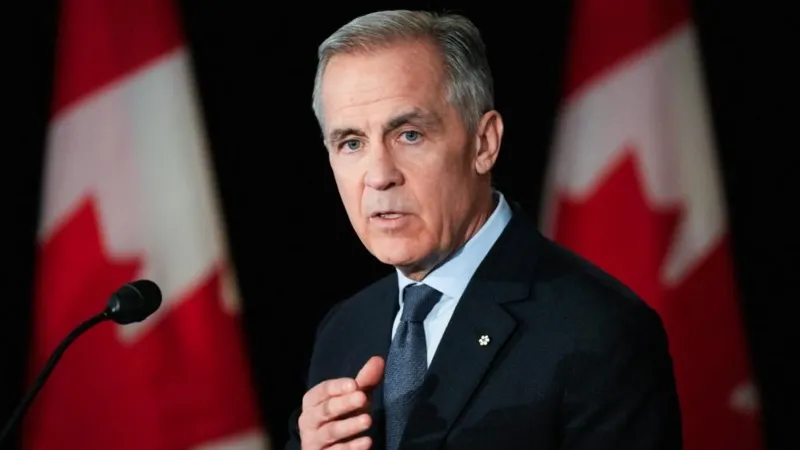
Trump Withdraws Canada’s Invitation After Davos Clash:image from BBC news

The Announcement on Truth Social

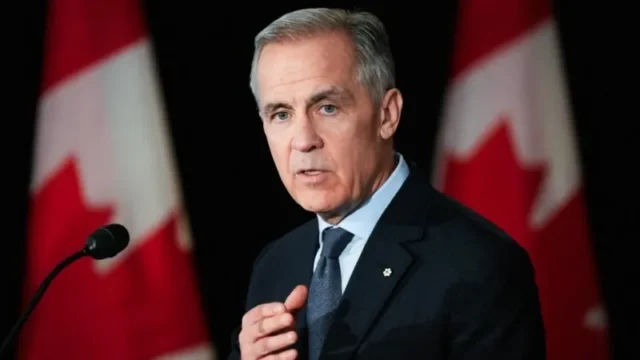
The news broke via a post on Truth Social, where President Trump addressed Canadian Prime Minister Mark Carney directly. The message was formal yet blunt, stating, “Please let this Letter serve to represent that the Board of Peace is withdrawing its invitation to you regarding Canada’s joining.”

While the President did not explicitly list the reasons in the post why Trump withdraws Canada’s invitation, the timing offers plenty of clues. The revocation comes immediately after a tense week involving public exchanges of barbs between the two leaders.

The “Freebies” and the Billion-Dollar Fee

One of the primary friction points appears to be financial. The Board of Peace, which critics argue is designed to supplant the functions of the United Nations, comes with a hefty price tag. President Trump has stipulated that permanent members are asked to pay a $1 billion (£740m) membership fee to help fund the board.

Ottawa had recently indicated that while they were willing to join the board in principle to maintain diplomatic ties, they would not be paying the membership fee. This refusal likely contributed to the decision where Trump withdraws Canada’s invitation.

The Davos Showdown: A War of Words

Beyond the money, the ideological clash between Trump and Prime Minister Mark Carney has been playing out on the world stage. Earlier this week at the World Economic Forum in Davos, Carney delivered a speech that received a standing ovation. He warned of a “rupture” in the US-led global order and urged “middle powers” to band together against economic coercion.

Although Carney did not name Trump, the implication was clear. In response, Trump told the gathering in the Swiss resort that Canada benefits from American “freebies,” stating, “Canada lives because of the United States. Remember that, Mark.”

Carney fired back during a speech in Quebec on Thursday, asserting that “Canada thrives because we are Canadians.” It was shortly after this retort that Trump withdraws Canada’s invitation.

What is the Board of Peace?

To understand the gravity of the situation, it is essential to look at what the Board of Peace actually is. Billed by the US as a new international organization for resolving conflicts, it gives Trump wide decision-making powers as “chairman for life.”

Originally thought to be focused on ending the war between Israel and Hamas in Gaza, the board’s charter has raised eyebrows because it does not mention the Palestinian territory. Instead, it seems structured to bypass the UN.

Despite these controversies, about 35 nations—including Argentina, Saudi Arabia, Hungary, and Egypt—have signed up. However, none of the other permanent UN Security Council members (China, France, Russia, and the UK) have committed. Now, following the news that Trump withdraws Canada’s invitation, the board is missing another key G7 economy.

International Reaction and EU Skepticism

The international community is reacting cautiously to the new body. European Council President Antonio Costa noted that while European leaders have “serious doubts” about the board’s scope and governance, they are willing to work with it specifically regarding Gaza.

Spain has outright declined the invitation, and France has called the charter “incompatible” with current international commitments. The United Kingdom has also expressed concern over the inclusion of Russian President Vladimir Putin.

In this climate of hesitation, the fact that Trump withdraws Canada’s invitation sends a signal that the US President is willing to exclude traditional allies who do not fully align with the board’s financial or political structure.

Conclusion

As the dust settles, Prime Minister Carney’s office has yet to issue a formal response to the social media post. However, the message is clear: the “special relationship” between the US and Canada is facing a stress test. Whether this is a permanent break or a negotiating tactic remains to be seen, but for now, the headline remains that Trump withdraws Canada’s invitation to the Board of Peace.


Frequently Asked Questions (FAQs)

1. Why did Trump withdraw Canada’s invitation to the Board of Peace?
While Trump did not give a specific reason in his post, it is widely believed to be due to Canada’s refusal to pay the $1 billion membership fee and recent critical comments made by Prime Minister Mark Carney about the US-led global order.

2. What is the Board of Peace?
The Board of Peace is a newly constituted international organization chaired by Donald Trump. It is billed as a body for resolving conflicts, specifically the war in Gaza, though critics fear it is designed to replace functions of the United Nations.

3. Who has joined the Board of Peace so far?
Approximately 35 nations have signed up, including Argentina, Egypt, Saudi Arabia, Turkey, and Hungary. However, major powers like the UK, France, China, and Russia have not committed to participating.

Abhishek Sharma Smashes Fastest 5000 T20 Runs in Cricket History

0

Stats highlights from the first T20 international between India and New Zealand in Nagpur

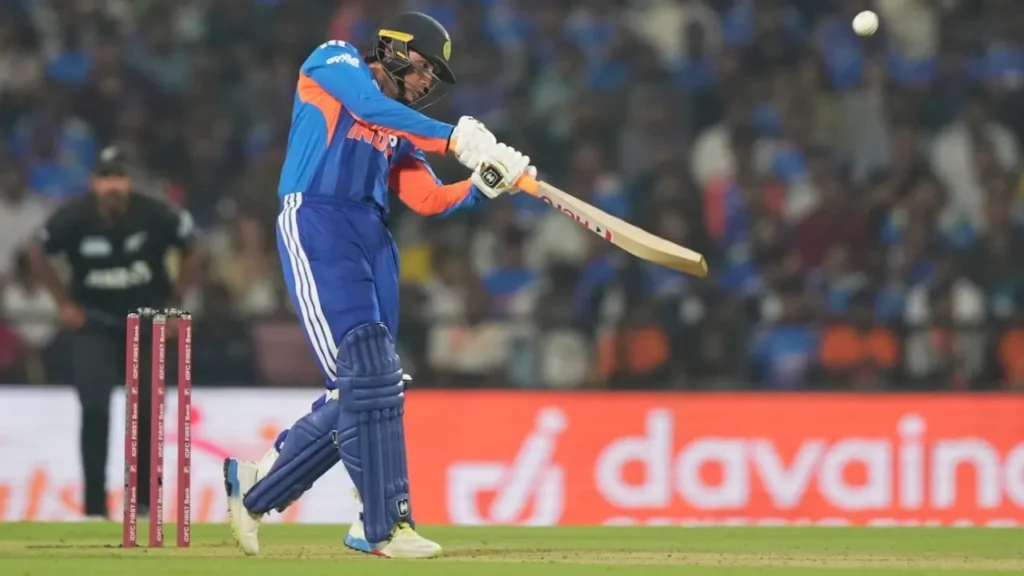
Abhishek Sharma hit eight of India’s 14 sixes in the Nagpur T20I against New Zealand:image from google

2898 Number of balls Abhishek Sharma took to complete 5000 runs in T20 cricket – the quickest to the milestone ahead of Andre Russell, who got to 5000 in 2942 balls. No other batter has got there with a strike rate of 160 or more.

7 Number of T20I fifties in less than 25 balls for Abhishek, the most sub-25-ball half-centuries for a batter in men’s T20Is along with Saudi Arabia’s Faisal Khan. Evin Lewis, Rohit, Phil Salt and Suryakumar Yadav have six each.

5911 Number of balls Suryakumar Yadav took to complete 9000 runs in T20 cricket – the second quickest to the milestone behind Russell (5321). Glenn Maxwell (5915) is third.

22 Number of balls Abhishek took for his fifty in Nagpur, the fastest for India against New Zealand in men’s T20Is. The previous quickest was off 23 balls by KL Rahul and Rohit Sharma during the 2020 tour of New Zealand.

238 for 7 India’s total in Nagpur is their highest against New Zealand in men’s T20Is. Their previous highest was 234 for 4 in Ahmedabad in 2023. It is also the third-highest total against New Zealand in men’s T20Is.

287.83 Rinku Singh‘s batting strike rate in the 19th and 20th overs in T20Is – 213 runs off 74 balls, with 22 sixes and 14 fours. It is the best strike rate among all batters with 100-plus runs from available ball-by-ball data.

Rinku strikes at 302.63 in the 20th over, having scored 115 runs off 38 balls. Only Nepal’s Dipendra Singh Airee (347.16) has a higher strike rate.

28 Wickets for Arshdeep Singh in in his first over while opening the bowling (first two overs) – the most in men’s T20Is. Junaid Siddique and Shaheen Shah Afridi have 27 apiece.

Striking with new ball

Most wickets taken across the first two overs of the innings in men’s t20is

13.57 Economy rate of New Zealand’s spinners in Nagpur, where they conceded 95 runs in seven overs. It is the first instance of New Zealand’s spinners conceding an economy of 12 or more in a men’s T20I where they bowled six or more overs.

India vs New Zealand Highlights, 3rd ODI

0
India vs New Zealand Highlights, 3rd ODI:

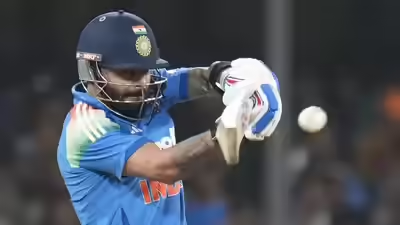
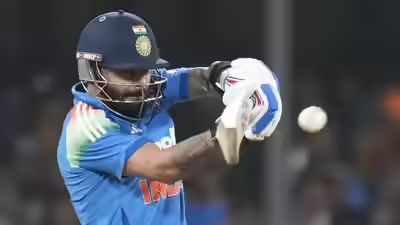
Virat Kohli’s ton in vain as NZ beat India by 41 runs to clinch series 2-1:

India vs New Zealand Highlights, 3rd ODI:

New Zealand overcame a valiant 124 by Virat Kohli to down India by 41 runs and seal their first-ever ODI series victory on Indian soil on Sunday.

Daryl Mitchell and Glenn Phillips guided New Zealand to 337-8 with a fourth-wicket stand of 219 after the tourists slipped to 5-2 and 58-3 in Indore.

India vs New Zealand Highlights, 3rd ODI

Mitchell made 137 and Phillips hit 106 off 88 balls.

The Black Caps then bowled out India for 296 in 46 overs despite Kohli’s 54th ODI century and clinched the three-match series 2-1.

The in-form Kohli, who plays just the 50-over format after retiring from Test and T20 international cricket, threatened to pull off the chase in a 99-run seventh-wicket partnership with Harshit Rana, who made 52.

New Zealand left-arm spinner Jayden Lennox returned figures of 2-42 from his 10 overs after captain Michael Bracewell left the field with a calf injury and did not return.

Mitchell led the team in Bracewell’s absence, which also left New Zealand a bowler short.

Zak Foulkes and fellow seamer Kristian Clarke took three wickets each.

India slumped to 71-4 before Kohli hit back in an 88-run stand with Nitish Kumar Reddy, who made 53, and then with Rana.

Kohli struck 10 fours and three sixes in his 108-ball knock before he was caught off Clarke and walked back to a rousing ovation after his 85th international century.

Earlier the in-form Mitchell picked up from where he left off after his match-winning 131 not out in the second ODI, which levelled the series at 1-1.

Mitchell reached his ninth ODI ton with a single off Ravindra Jadeja before Phillips also brought up his hundred.

Arshdeep finally dismissed Phillips caught behind to end the marathon stand and Mitchell soon followed, falling to Mohammed Siraj.

New Zealand wobbled, losing four more wickets but Bracewell hammered an unbeaten 28 off 18 balls.

The teams next play five T20 matches in a final tune-up for the T20 World Cup in India and Sri Lanka between February 7 and March 8.

BMC Election Results 2026 Live Updates

0

BMC Election Results 2026 Live Updates:

 The Maharashtra civic body poll results are showing a favourable trend for the Bharatiya Janata Party-Shiv Sena alliance, according to early trends as votes are being counted for elections to 29 civic bodies. The BJP is leading in 1171 wards, while its ally, the Shiv Sena, is ahead in 300 wards, according to early trends at 3:20 pm.

The spotlight is on Mumbai, where the Thackeray brothers have reunited to reclaim their heritage and are standing against the BJP-Shiv Sena alliance. The BJP-led alliance is ahead in 116 wards in the Brihanmumbai Municipal Corporation (BMC), according to early leads. The Thackeray brothers, together, are ahead in 81 wards.

Jan 16, 2026

PCMC Election Results 2026: BJP Secures Massive Lead

The Pimpri-Chinchwad municipal corporation, considered as one of the richest after the Brihanmumbai Municipal Corporation (BMC), had been held by Sharad Pawar’s undivided NCP since 2017. However, the Pawars have lost this stronghold, despite their aggressive campaigning.

The NCP (Ajit Pawar) is leading in 33 wards, while the NCP (Sharad Pawar) is leading in just one ward. BJP, on the other hand, is leading in 86 wards.

Jan 16, 2026

Maharashtra Civic Body Election Results: Celebrations Across Mumbai To Mark BJP-Shiv Sena Alliance Lead

Celebrations colour the streets of Mumbai as BJP-Shiv Sena alliance lead across seats in Maharashtra civic body polls.

Celebrations colour the streets of Mumbai as BJP-Shiv Sena alliance lead across seats in Maharashtra civic body polls

Iran Decisive Response: Tehran Issues Stern Warning to UNSC Amid Tensions

0
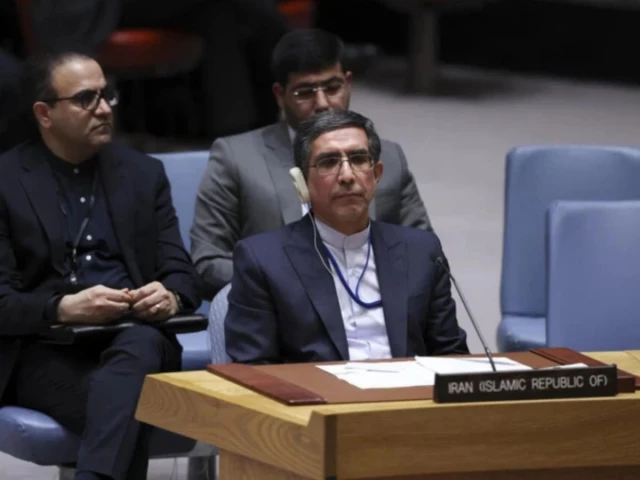
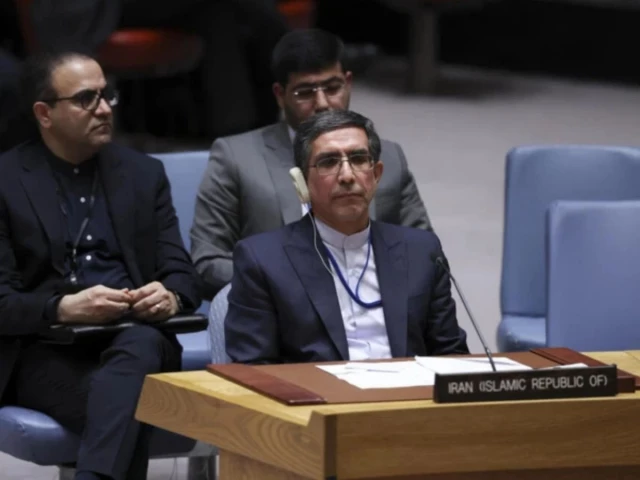
Iran’s Gholam Hossein Darzi at the UNSC Photo: Express

Tensions Rise at the UN: Tehran Promises a Firm Stance

The United Nations Security Council (UNSC) recently became the stage for a heated diplomatic exchange, drawing the attention of the entire world. Amidst growing internal unrest and external pressure, the conversation has shifted toward the possibility of an iran decisive response to any form of foreign aggression.

Gholamhossein Darzi, the Ambassador and Deputy Permanent Representative of Iran to the United Nations, did not mince words. Addressing the council, he issued a stern warning that any military or political moves against Tehran would not go unanswered. As the geopolitical temperature rises, understanding the nuances of this diplomatic standoff is crucial.

Iran’s Gholam Hossein Darzi at the UNSC Photo: Express

The Warning Against Military Aggression

During the session, Darzi emphasized that international sanctions have unfairly targeted ordinary civilians rather than the government, labeling them a violation of international law. However, his most significant point was regarding sovereignty. He stated clearly that any violation of Iran’s borders or political independence would trigger an iran decisive response from the nation’s security forces.

The envoy criticized the United States for convening the meeting to discuss Iran’s internal matters, calling the move “shameful” and an act of political hypocrisy. According to Darzi, Western human rights organizations are pushing an agenda that aligns with Israeli interests, rather than genuinely caring for the Iranian people.

Accusations of Interference and Hypocrisy

The situation on the ground in Iran is complex. Protests sparked by economic hardship have evolved into broader anti-government demonstrations. However, Iranian officials argue that external forces are fueling the fire. Darzi alleged that protesters were engaging in “ISIS-style attacks” and accused Washington of inciting rebellion.

This comes after U.S. President Donald Trump tweeted encouragement to the protesters, stating that “help is on its way.” Tehran views these comments as a direct violation of the UN Charter. Consequently, the government has made it clear that while they respect peaceful protests, any foreign conspiracy or interference will be met with an iran decisive response to protect national sovereignty.

Global Reactions: Russia and China Step In

The United States found itself isolated in its push for action at the Security Council, with major global powers siding with Tehran’s right to handle its internal affairs.

1. What was the “decisive response” warning about?

Iran’s Deputy Permanent Representative, Gholamhossein Darzi, warned the UN Security Council that any military or political aggression against Iran by foreign powers would be met with a full and forceful counter-reaction.

2. Why did Russia and China support Iran at the UNSC?

Both Russia and China view the US involvement as interference in Iran’s internal sovereignty. Russia called the meeting a “circus,” while China argued against the “law of the jungle” and opposed the use of military force.

3. What sparked the recent protests in Iran?

The protests began in late December, driven initially by economic issues such as high inflation, the collapse of the national currency (the rial), and deteriorating living conditions for merchants and ordinary citizens.

Geopolitical Tension: Inside Greenland’s Decision to Reject US Control

0
Geopolitical Tension: Inside Greenland’s Decision to Reject US Control

Greenland’s Choice: Why the Territory is Sticking with Denmark Over the US

The Arctic has always been a place of quiet beauty and extreme conditions, but recently, it has become the center of a heated geopolitical poker game. In a decisive move that reverberated from Copenhagen to Washington, the leadership in Nuuk has drawn a line in the snow. Facing renewed interest from the United States regarding a potential purchase or annexation, Greenland’s political landscape has shifted toward unity with the Kingdom of Denmark.

As high-level meetings kick off in Washington, the message from the North is clear: Greenland is not for sale, and its allegiance remains with Denmark.Standing United with Denmark

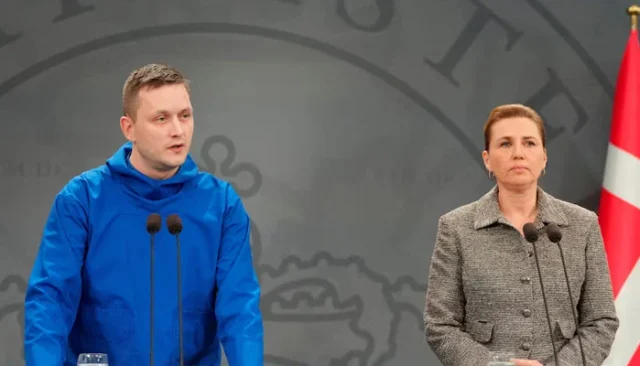
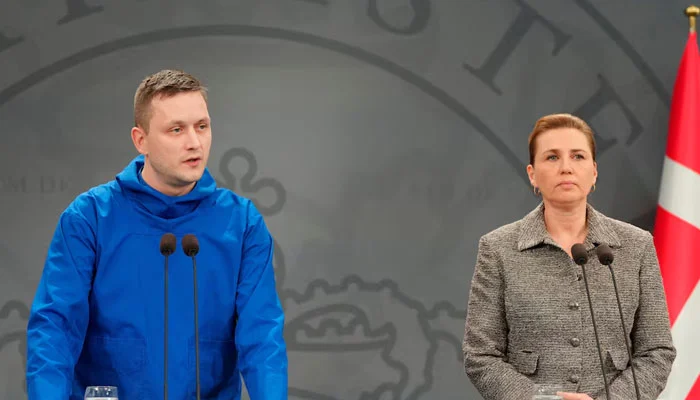
The tension reached a peak this week during a press conference in the Hall of Mirrors at the Prime Minister’s Office in Copenhagen. Standing side-by-side, Greenland’s Prime Minister, Jens-Frederik Nielsen, and Danish Prime Minister Mette Frederiksen presented a united front.

Nielsen didn’t mince words when addressing the rumors and proposals coming from the US administration. “We face a geopolitical crisis, and if we have to choose between the US and Denmark here and now, then we choose Denmark,” Nielsen told reporters. “We stand united in the Kingdom of Denmark.”

This declaration comes just ahead of a critical diplomatic trip. Foreign ministers from both Denmark and Greenland are scheduled to meet with US Vice President JD Vance and Secretary of State Marco Rubio in Washington. The goal? To de-escalate threats of taking control of the autonomous territory and to move the conversation from public posturing to a diplomatic meeting room.

Greenland PM backs Denmark ties over US:image from google

The View from Nuuk: Residents Speak Out

While politicians debate in boardrooms, the sentiment on the ground in Greenland’s snow-covered capital, Nuuk, is equally strong. For decades, the conversation in Greenland has revolved around eventual independence from Denmark. However, the aggressive nature of recent US interest has caused many locals to hit the pause button on those dreams.

Finn Meinel, a lawyer based in Nuuk, noted that the current climate makes the Danish connection vital for security. “In the current circumstances, I think it would be wise for Greenland to commit to Denmark for a very, very long time and remain under the NATO security umbrella,” he explained.

Ordinary citizens share this confusion and concern regarding American intentions. Charlotte Heilmann, a pensioner, expressed that she couldn’t imagine life as an American. “We are part of Denmark, and NATO, so I don’t understand why he keeps saying he wants to take our country,” she said.

Paradoxically, the external pressure seems to have brought the community closer together. Casper Frank Moller, a local tour operator, observed that while people were focused on fast independence last year, the threat of annexation has created a new sense of unity.

Strategic Value vs. Cultural Home

Why is the US so interested in this icy island? Beyond the stunning landscapes, Greenland’s strategic importance to national security is undeniable. As the Arctic ice melts, new shipping routes are opening up, and the island is believed to sit on vast untapped deposits of rare earth minerals—resources essential for modern technology and military defense.

The Trump administration has reportedly discussed various plans, ranging from utilizing the US military to offering lump-sum payments to Greenlanders to encourage secession. However, these transactional offers miss the emotional reality of the people living there.

Naaja Nathanielsen, the cabinet minister responsible for business and energy, summed it up perfectly in London: “For others, this might be a piece of land, but for us, it’s home.” She emphasized that while they view the US as an ally, they do not see themselves as Americans.

The Hardest Part is Ahead

The upcoming meetings in Washington are expected to be tense. Danish Foreign Minister Lars Lokke Rasmussen and Greenland’s counterpart, Vivian Motzfeldt, requested the talks to look their American allies in the eye and resolve the dispute diplomatically.

Denmark is feeling the pressure to step up its own Arctic defenses to show it can hold its ground. Danish Defence Minister Troels Lund Poulsen is already planning meetings with NATO Secretary General Mark Rutte to discuss multinational exercises in the region by 2026.

As Danish Prime Minister Frederiksen noted, standing up to the US—their most important ally—is difficult. “But,” she warned, “the hardest part may still be ahead of us.”

For now, Greenland’s right to self-determination is being exercised in a way few predicted: by hugging its Danish partners closer than ever before.


Frequently Asked Questions (FAQs)

1. Is Greenland an independent country?
No, Greenland is an autonomous territory within the Kingdom of Denmark. While they have had self-governance since 1979 and manage their own domestic affairs, Denmark still handles foreign policy and defense.

2. Why does the US want to buy or control Greenland?
The US is interested in Greenland primarily for its strategic military location in the Arctic and its vast natural resources, including rare earth minerals which are vital for technology and defense manufacturing.

3. How do the people of Greenland feel about becoming a US territory?
Based on recent statements from residents and officials, the majority are against it. Most Greenlanders identify culturally with Denmark and Europe. They view the US as an ally, not a governing power, and prefer to remain part of the Kingdom of Denmark while slowly working toward their own independence on their own terms.

4. What is the “NATO security umbrella”?
This refers to the protection provided by the North Atlantic Treaty Organization (NATO). Since Denmark is a NATO member, an attack on Greenland is considered an attack on all member nations. This alliance provides military security and deterrence against potential adversaries in the Arctic region.

BBL 2026 Thriller: Brisbane Heat Survives Thanks to Zaman Khan’s Stunning Final Over

0
Zaman Khan successfully defended just six runs in the final over

The Great Escape: Brisbane Heat Stuns Hobart in BBL 2026 Classic

By Cricket Correspondent | January 14, 2026

 Zaman Khan’s stunning .The Big Bash League has long been the home of high-octane drama, but the January 2026 clash between the Brisbane Heat and the Hobart Hurricanes will be remembered for years to come. In a match that swung like a pendulum, the Brisbane Heat pulled off a miraculous three-run victory at Bellerive Oval, shaking up the finals race. While many players contributed, the night ultimately belonged to one man’s nerves of steel. In a finish that defied the odds, Zaman Khan’s stunning final over secured a lifeline for the Brisbane Heat when all seemed lost.A Game of Two Halves: The Hurricanes’ Collapse

For the vast majority of the second innings, the defending champions, the Hobart Hurricanes, appeared to be cruising toward a comfortable victory. Chasing a modest target of 161, they were well-placed at 124 for 2. Ben McDermott (59) and Beau Webster (51) had combined for a 98-run partnership that seemed to bury the Heat’s chances.

However, T20 cricket is a game of moments. The Hurricanes suddenly lost their way, losing 6 wickets for just 32 runs in a catastrophic collapse. Despite the wobble, the equation eventually boiled down to a very gettable six runs required off the last six balls. It seemed like a lost cause for the Heat until Zaman Khan’s stunning composure turned the tide completely.

Zaman Khan successfully defended just six runs in the final over:image from Getty image

The Final Over Heroics

The pressure on the bowler in the 20th over of a T20 match is immense. With the Hurricanes needing just a single maximum to win—or a few singles to force a Super Over—the odds were stacked against the fielding side.

Zaman Khan, known for his unique slingy action and ability to execute under pressure, stepped up to the plate. He bowled with pace and precision, refusing to give the batsmen any room to maneuver. With the game on a knife-edge, he claimed the vital wicket of Nikhil Chaudhary off the penultimate delivery. With Zaman Khan’s stunning execution of yorkers and pace changes, he left the Hurricanes stranded on 157 for 8, sealing a three-run win that sent the Heat fans into a frenzy.

Fielding Brilliance and Supporting Acts

While the headlines rightfully belong to Zaman Khan’s stunning delivery under pressure, cricket is a team sport, and the Heat had other heroes in the field. Matt Renshaw produced a moment of magic on the boundary in the 18th over, saving five crucial runs with an acrobatic stop at deep mid-wicket. Without that save, the final over equation would have been much simpler for Hobart.

Earlier in the match, Xavier Bartlett was the pick of the bowlers with figures of 3-44, helping to trigger the middle-order collapse that brought the Heat back into the contest.

Heat’s Batting Struggles

Before the drama of the chase and Zaman Khan’s stunning heroics with the ball, the Brisbane Heat had endured a mixed evening with the bat. After being sent in to bat, they struggled to find momentum against a versatile Hurricanes attack.

Nathan McSweeney was the star with the willow, compiling a graceful 49, including some drives reminiscent of red-ball cricket. He was supported by Renshaw (37), and the pair looked set to launch a massive total at 89 for 2. However, a failure to capitalize on the Power Surge and a middle-order stumble left them with a par score of 160 for 8. It looked inadequate at the halfway mark, but thanks to their bowling unit, it proved just enough.

BBL 2026 Finals Race Implications

This result has massive ramifications for the BBL 2026 season. The Hurricanes, looking to secure a home final, missed a golden opportunity to lock up a top spot, leaving the door open for the Perth Scorchers and Melbourne Stars.

For Brisbane, this victory does more than just add points; Zaman Khan’s stunning display proves the Heat can handle high-pressure finals scenarios. Buoyed by the return of Ashes stars like Michael Neser and Marnus Labuschagne, the Heat are peaking at the right time. They now head into their final games knowing that their destiny is in their own hands.

Conclusion:

The 2026 season of the Big Bash League continues to deliver unrivaled entertainment. The match in Hobart had everything: a brilliant partnership, a shocking collapse, spectacular fielding, and a nail-biting finish. Ultimately, this match was a reminder of why we love cricket, defined by Zaman Khan’s stunning ability to win the un-winnable for his team.


Frequently Asked Questions (FAQs)

Q1: Who won the match between Brisbane Heat and Hobart Hurricanes in BBL 2026?
A: Brisbane Heat won the match by a narrow margin of three runs.

Q2: How many runs did Hobart Hurricanes need in the final over?
A: The Hurricanes needed six runs off the final over to win the match.

Q3: Who was the standout performer in the final over?
A: Zaman Khan was the hero, bowling a tight over and taking a wicket to defend the low total.

Q4: Who were the top scorers for each team?
A: Nathan McSweeney top-scored for Brisbane Heat with 49, while Ben McDermott (59) and Beau Webster (51) were the top scorers for the Hurricanes.

Q5: What impact did this match have on the BBL 2026 ladder?
A: The win kept Brisbane Heat’s season alive for the finals race, while preventing the Hobart Hurricanes from securing a guaranteed home final.

Controversy Erupts As Police Seek Granular Details of Kashmir’s mosques

0

Controversy in the Valley: Understanding the New Mosque Data Drive

In the sensitive region of Jammu and Kashmir, a new administrative exercise has triggered a fresh wave of political and religious debate. Reports recently surfaced indicating that law enforcement agencies have initiated a comprehensive profiling drive regarding religious institutions in the Valley. As police seek granular details of Kashmir’s mosques local leaders, religious bodies, and politicians are voicing strong objections, terming the move as an “invasive” tactic that targets a specific community.

This article breaks down what information is being sought, why it is controversial, and what the reactions have been from prominent figures in the region.Physical Structure: Details on the construction, size, and layout of the mosques.

Financials: The cost of construction, sources of funding, monthly income, and expenditure.

Personal Data: Perhaps most controversially, the drive seeks detailed profiles of the imams (preachers) and management committees. This includes their financial status, bank account numbers, passport details, and even credit card information.What Data is Being Collected?

The scope of this new profiling exercise is reportedly unprecedented in its depth. As police seek granular details of Kashmir’s mosques the inquiry goes far beyond simple location tagging. According to recent reports, the police are gathering specific data points regarding the physical and financial health of these institutions.

The authorities are reportedly asking for:

  • Physical Structure: Details on the construction, size, and layout of the mosques.
  • Financials: The cost of construction, sources of funding, monthly income, and expenditure.
  • Personal Data: Perhaps most controversially, the drive seeks detailed profiles of the imams (preachers) and management committees. This includes their financial status, bank account numbers, passport details, and even credit card information.

The thoroughness of this data collection has raised eyebrows, with critics wondering why such personal financial data is necessary for security purposes.

Criticism from Religious and Political Leaders

The reaction to this development has been swift and sharp. As police seek granular details of Kashmir’s mosques the Muttahida Majlis Ulama (MMU), led by Mirwaiz Umar Farooq, has publicly condemned the action. They have described the initiative as an “invasive data collection exercise” that sends a disturbing message to the Muslim residents of the state.

However, the criticism isn’t limited to religious clergy. Mainstream political leaders have also stepped into the fray. Aga Ruhullah Mehdi, a National Conference leader and Member of Parliament, has been particularly vocal. He argues that this is not merely a data drive but an attempt by the “right-wing ideology running the system” to gain control over religious pulpits.

Fears of Surveillance and “Controlled Sermons”

A major concern echoing through the Valley is the potential for intimidation. As police seek granular details of Kashmir’s mosques there is a fear that the data could be used to put preachers under constant surveillance.

Aga Ruhullah Mehdi expressed concerns that this surveillance is a precursor to controlling the narrative within religious spaces. He suggested that by collecting such minute details, the state is adding “extra layers of surveillance” to intimidate preachers. His apprehension is that eventually, sermons might be dictated by the state, with preachers forced to align their Friday addresses with the political agenda of the ruling party or the RSS.

The Question of Constitutional Rights

At the heart of this debate is the issue of religious freedom guaranteed by the Constitution of India. Critics argue that the state should not interfere in the management of religious institutions unless there is a specific, actionable security threat.

As police seek granular details of Kashmir’s mosques legal and political observers are asking why this level of scrutiny is being applied. Ruhullah questioned the necessity of the move, noting that security agencies likely already possess the relevant information needed for maintaining law and order. He termed the new drive an infringement on the freedom to practice religion, suggesting it targets a specific faith.

Security Context vs. Civil Liberties

While the police have not released a detailed official statement justifying the specific need for ATM and credit card details of mosque managers, such moves in the past have often been attributed to counter-terrorism efforts and tracking “terror financing.” However, the lack of transparency combined with the depth of the data demanded has tipped the scale of public opinion toward suspicion.

As police seek granular details of Kashmir’s mosques the debate between national security requirements and the civil liberties of local residents continues to widen. For now, the exercise is seen by many in Kashmir not as a standard administrative procedure, but as a project of ideological control.

Conclusion:

The situation in Jammu and Kashmir remains complex. As police seek granular details of Kashmir’s mosques the trust deficit between the administration and the local population appears to be deepening. Whether this data drive will lead to actual security benefits or merely serve to alienate the community further remains to be seen.Frequently Asked Questions (FAQs)

1. What specific information are the police asking for regarding Kashmir’s mosques?
The police are reportedly asking for details on the mosque’s physical structure, source of funding, monthly income/expenses, and personal details of the management and preachers, including passports, bank accounts, and credit card info.

2. Who has criticized this move?
The move has been criticized by the Muttahida Majlis Ulama (MMU) led by Mirwaiz Umar Farooq, and National Conference MP Aga Ruhullah Mehdi, among others.

3. Why are politicians calling this “ideological”?
Critics like Aga Ruhullah Mehdi believe that the drive is motivated by a right-wing ideology aiming to control the religious narrative and “pulpit” of the mosques, rather than just ensuring security.

4. Is this data collection considered a violation of rights?
Critics argue that it infringes on the Constitutional right to freedom of religion and acts as an intimidation tactic through excessive surveillance.

5. What is the official reason for this data collection?
While critics call it harassment, such exercises are typically framed by authorities as measures to check the misuse of funds and prevent anti-national activities, though the specific demand for personal banking details has caused particular alarm.

Iran Protests 2026: Currency Collapse, US Threats, and the Push to Keep Protesting

0
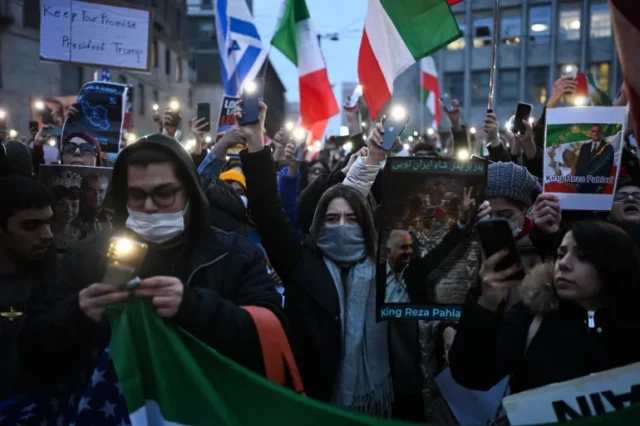
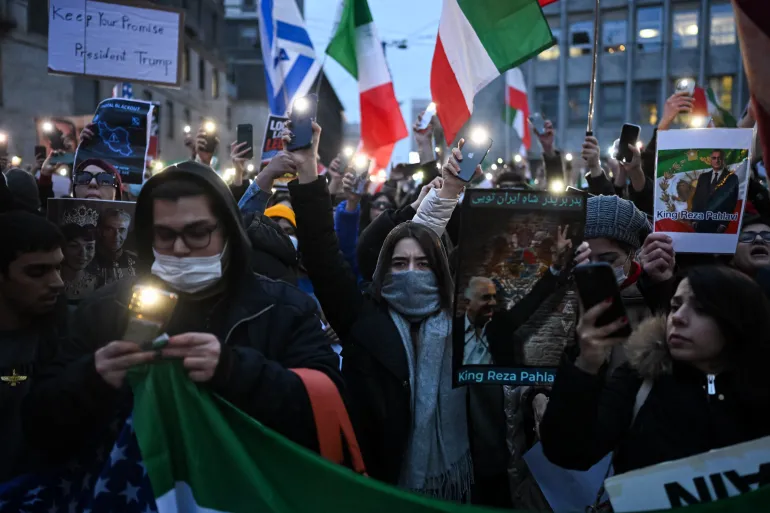
Trump tells Iranians ‘keep protesting, help on the way’

Trump to Iran: “Help Is on the Way” as Unrest Grows

Tensions in the Middle East have reached a boiling point this January 2026. Following weeks of economic instability and a devastating currency collapse in Iran, the geopolitical landscape is shifting rapidly. In a move that signals a definitive end to recent diplomatic overtures, US President Donald Trump has issued a fiery directive to demonstrators to keep protesting against the ruling establishment, promising that American assistance is imminent.

Here is a breakdown of the latest updates from Tehran and Washington, analyzing what this escalation means for the region.The White House Message: “Take Over Your Institutions”

The situation escalated dramatically early on January 13, 2026, when President Trump took to social media with a blunt message for the Iranian people. Abandoning diplomatic ambiguity, he explicitly encouraged citizens to keep protesting and to go a step further by taking over state institutions.

The President’s post was brief but heavy with implications. He stated, “Iranian Patriots, keep protesting – TAKE OVER YOUR INSTITUTIONS!!! Save the names of the killers and abusers.” Trump further announced the cancellation of all scheduled meetings with Iranian officials, effectively freezing diplomatic channels. He signed off with “MIGA” (Make Iran Great Again), signaling a new, aggressive policy approach.

Trump tells Iranians ‘keep protesting, help on the way’
imagr from google:image by www.aljazeera.com

Analysis: What Does “Help Is on the Way” Mean?

By urging the opposition to keep protesting, the US administration appears to be pivoting toward a strategy of regime change rather than negotiation. The President’s cryptic promise that “help is on the way” has sparked intense speculation regarding US military involvement.

Senator Lindsey Graham, a close ally of the President, provided a grim clarification of this vision. Graham suggested that the call for Iranians to keep protesting is part of a two-pronged attack. He described a potential “massive wave of military, cyber, and psychological attacks” designed to destroy the infrastructure used to suppress the population. According to Graham, the goal is to deal a “death blow” to the current system without necessarily putting American “boots on the ground.”

The Situation on the Ground: Blackouts and Bloodshed

Inside Iran, the reality is chaotic. The spark for this latest wave of unrest was the total collapse of the local currency, which decimated the savings of ordinary citizens. Despite a government-imposed internet blackout that has lasted for five straight days, brave demonstrators keep protesting in major cities, facing down security forces.

Reports on casualties vary wildly:

  • State Media: Claims over 100 security personnel have been killed.
  • Opposition Activists: Report hundreds of civilian deaths.
  • The UN: Human Rights Chief Volker Turk expressed he is “horrified” by the violence and the reports of mass killings.

While the US urges the population to keep protesting, the Iranian government remains defiant. Foreign Minister Abbas Araghchi spoke to Al Jazeera, issuing a stern warning: “If Washington wants to test the military option it has tested before, we are ready for it.”

Government Response and Counter-Narratives

Tehran has organized tens of thousands of pro-government demonstrators in a show of force, attempting to drown out the opposition. Former Iranian officials are also pushing back against the Western narrative. Sayyed Atollah Mohajerani, a former minister, dismissed the US threats as repetitive history, insisting that the US cannot “finish the job” of toppling the government.

Mohajerani also deflected human rights criticisms by pointing to domestic issues in the US, specifically referencing the recent controversial shooting of Renee Nicole Good by an immigration agent in Minneapolis.

Conclusion

As January 2026 unfolds, the standoff between Washington and Tehran is more volatile than ever. With the internet cut and diplomatic bridges burned, the world watches to see if the decision to keep protesting will lead to liberation or further tragedy for the Iranian people.


Frequently Asked Questions (FAQs)

1. Why are people protesting in Iran in January 2026?
The primary trigger for the current unrest is a catastrophic collapse in the value of Iran’s currency, the Rial. This economic crisis has wiped out savings and made daily life unaffordable, leading to widespread anger against the government.

2. What did Donald Trump say to the Iranian protesters?
President Trump urged Iranian patriots to “keep protesting” and “take over institutions.” He also stated that he has cancelled all meetings with Iranian officials and promised that “help is on the way,” implying potential US intervention.

3. Is the US planning a ground invasion of Iran?
According to Senator Lindsey Graham, the US strategy does not involve “boots on the ground.” Instead, the “help” Trump referred to likely involves cyber warfare, psychological operations, and targeted strikes on military infrastructure.

4. How has the Iranian government responded to the protests?
The Iranian government has cut off the internet for five days to disrupt communication. They have also warned the US that they are ready for war if provoked. Additionally, state media reports that security forces are engaging with protesters, with high casualty numbers reported on both sides.

Sandisk Stock Soars on CES News: Inside the “Unserved” AI Memory Boom

0
Sandisk Stock Just Skyrocketed 27%

The Unprecedented Rise of SanDisk in the AI Era

If you’ve been watching the markets this week, you’ve likely noticed a massive outlier on the leaderboard. On Tuesday, shares of the newly independent NAND flash giant rallied nearly 28% in a single trading session. This meteoric rise has caught the attention of Wall Street and retail investors alike, but it isn’t just a random fluctuation.

The explosive movement in sandisk stock is the result of a perfect storm: a successful corporate spin-off, a surging “memory supercycle,” and a massive endorsement of the storage sector by the biggest name in artificial intelligence.

Let’s dive into what is driving this growth and whether the momentum can sustain itself through 2026.

Sandisk Stock Just Skyrocketed 27%:image from google

The Nvidia Effect: A “Completely Unserved Market”

The primary catalyst for Tuesday’s surge came straight from Las Vegas at the Consumer Electronics Show (CES) 2026. While Nvidia has long been the king of AI processing (GPUs), CEO Jensen Huang shifted the spotlight to a different component of the hardware stack: storage.

During his presentation, Huang introduced a new storage platform optimized for “agentic AI inference.” He highlighted that as AI models become more complex, they require massive amounts of context memory and “token memory.” Huang went as far as to call memory storage a “completely unserved market” that is destined to become one of the largest industries in the world.

Although he didn’t name-drop specific partners, the market immediately connected the dots. Efficient, high-speed NAND flash—SanDisk’s specialty—is the preferred medium for these new AI servers. This realization sent sandisk stock flying as investors rushed to capitalize on the infrastructure that will hold the “working memory” of the world’s AIs.

A Spin-Off Success Story

To understand the current valuation, we have to look back at February 2025. This was when Western Digital completed its separation into two distinct companies: one focused on traditional hard drives (HDDs) and the new SanDisk, focused entirely on flash memory.

Since that spin-off, the performance of sandisk stock has been nothing short of historic. It was the best-performing stock in the S&P 500 for 2025, and with this week’s rally, it is now up a staggering 871% since its debut.

The logic behind the split was to unlock value, allowing SanDisk to be more agile in the volatile memory market. That bet has paid off. By focusing purely on solid-state drives (SSDs) and flash technology, the company was perfectly positioned to catch the wave of demand created by Generative AI.

The Economics of Shortage: Pricing Power

It isn’t just hype driving the price; it’s basic supply and demand. After a post-pandemic slump, the memory market has tightened significantly.

According to industry reports released this week by Trendforce, SSD pricing is expected to jump over 40% in the first quarter of 2026 alone. This isn’t a year-over-year figure—it is a quarter-over-quarter increase. Because suppliers managed their capacity with discipline last year, the sudden boom in server demand is outstripping supply.

This pricing power translates directly to wider profit margins, which is a key reason analysts are aggressively upgrading their price targets for sandisk stock moving forward.

AI at the Edge: The Next Frontier

While data centers get all the glory, the “Edge AI” revolution is equally important for SanDisk. We are moving toward a world where AI processing happens locally on your laptop, smartphone, or in autonomous vehicles, rather than just in the cloud.

At CES, SanDisk unveiled its new “Optimus” SSD lineup designed specifically for this purpose. As PCs and smartphones are refreshed to handle Windows 11 and on-device AI tools, they require significantly more built-in storage. This creates a dual tailwind for the company: massive enterprise demand from data centers and renewed consumer demand for high-capacity personal devices.

Is It Too Late to Buy?

With the stock hitting all-time highs of around $350, investors are naturally asking if they have missed the boat.

The Bull Case:
Proponents argue we are only in the early innings of the “memory supercycle.” If Nvidia’s predictions hold true, storage will become as critical as processing power. With less than 50% of current bit demand being satisfied globally, prices—and revenue—could continue to climb.

The Bear Case:
Memory is notoriously cyclical. Historically, boom times are followed by busts when supply eventually catches up. Critics warn that a pullback is inevitable after such a vertical ascent.

However, many analysts believe the AI revolution has fundamentally changed the baseline demand, suggesting that sandisk stock may still have room to run as it supports the infrastructure of the future.

Conclusion

The separation from Western Digital allowed SanDisk to step out of the shadows, but it is the insatiable appetite of Artificial Intelligence that is fueling its engine. With Nvidia championing the need for better storage and pricing trends pointing upward, the outlook for sandisk stock remains robust in 2026. As always, investors should weigh the incredible momentum against the risks of a cyclical industry.

Frequently Asked Questions (FAQs)

1. Why did SanDisk stock go up recently?
SanDisk stock rallied nearly 28% in a single day largely due to comments made by Nvidia CEO Jensen Huang at CES 2026. He highlighted that AI storage is an “unserved market” poised for massive growth, signaling increased demand for SanDisk’s NAND flash products.

2. When did SanDisk spin off from Western Digital?
Western Digital separated its business units in late February 2025. This created two independent public companies, allowing SanDisk to focus exclusively on flash memory technology while Western Digital retained the hard disk drive business.

3. How does the current AI boom affect sandisk stock?
AI models require massive amounts of fast data storage to function, both in data centers and on local devices (edge computing). This has created a shortage of Flash memory, driving up prices and revenue for manufacturers like SanDisk.

4. What is the “Memory Supercycle”?
A memory supercycle refers to an extended period of high demand and rising prices for memory chips (DRAM and NAND). Analysts believe we entered a new supercycle in mid-2025 driven by the requirements of Generative AI, replacing the traditional boom-and-bust cycles of the past.

0FansLike
0FollowersFollow
0SubscribersSubscribe

Recent Posts