
Latest on the earthquake in Afghanistan: Updates, Impact, and Safety Guidance
Earthquake in Afghanistan:
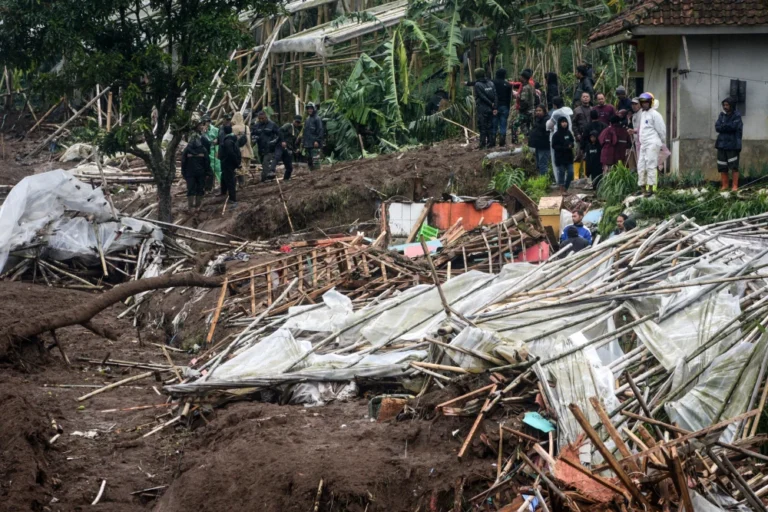
Afghanistan sits on one of Asia’s most active seismic zones, and when communities are hit, the human toll is immediate. As of September 2025, responders emphasize preparedness and verified information because, after an earthquake in Afghanistan, early reports can shift as assessments reach remote districts. This page summarizes what to know, how to stay safe, and how to support relief work while authorities and aid agencies consolidate field data.
When news of an earthquake in Afghanistan breaks, the first 24–48 hours are the most fluid. Access constraints, aftershocks, and limited connectivity can delay accurate numbers. Seismic agencies such as the USGS and EMSC publish automatic estimates that are refined as more stations report. Local authorities, the Afghan Red Crescent, and UN partners share situation updates as roads open and damage assessments reach rural villages.
Table of Contents
Why so many quakes?
Afghanistan lies near the collision zone of the Indian and Eurasian plates. The Hindu Kush experiences frequent deep-focus events, while shallower quakes near population centers tend to cause greater damage because buildings are often masonry or mud-brick without modern reinforcement. Landslides on steep slopes and the risk of collapsing roofs compound the danger. In winter, cold temperatures and snow make shelter and medical access even more urgent.

Human impact and immediate needs typically include search-and-rescue, trauma care, and safe shelter. Families may require clean water, sanitation, and hygiene supplies to prevent disease outbreaks, as well as emergency cash to replace lost income. Schools and clinics sometimes serve as temporary shelters, which can disrupt learning and routine care. Protecting children and supporting mental health are priorities alongside restoring power and communications.
Safety checklist if you felt shaking
- Drop, Cover, and Hold On until the shaking stops.
- Expect aftershocks—move away from damaged walls and chimneys.
- If you are indoors, do not rush outside during peak shaking; falling debris is a major hazard.
- If you felt an earthquake in Afghanistan, report it through “Did You Feel It?” (USGS) or to local authorities to help map intensity.
- Avoid damaged buildings, downed power lines, and areas prone to rockfall or landslides.
- Keep a go-bag with water, medications, a flashlight, portable power, copies of IDs, and a small amount of cash.
Verifying information is critical:
Official seismic pages (USGS, EMSC), statements from Afghanistan’s disaster management authorities, and UN OCHA updates are the most reliable sources. Be cautious with viral photos or videos—check dates, locations, and whether the same images appeared in older events. For community help, rely on established local NGOs and recognized international agencies.
Recent context underscores the risks.
In June 2022, a strong quake struck Paktika and Khost, and in October 2023 a series of powerful earthquakes hit Herat province—both events highlighted vulnerabilities in construction and the challenges of reaching remote communities. The lesson is clear: safer building practices, community drills, and trusted early-warning messaging can reduce casualties, and for families rebuilding after an earthquake in Afghanistan, recovery support must last beyond the first weeks.
Helping Afghanistan people :
- Donate to reputable organizations with a track record in Afghanistan (e.g., Afghan Red Crescent, ICRC/IFRC, and UN agencies such as UNICEF, WFP, WHO).
- Prefer flexible funding (cash/vouchers) so responders can meet priority needs as they evolve.
- Avoid unverified fundraisers. Look for registration numbers, audited reports, and clear use-of-funds statements.
- Share only confirmed updates; responsible amplification reduces panic and rumor.
If you represent a business, consider in-kind support aligned with needs (shelter materials, power, water purification) coordinated through recognized partners responding to the earthquake in Afghanistan.
aftershocks can continue for days or weeks:
After an earthquake in Afghanistan, aftershocks can continue for days or weeks. Key indicators to monitor include updated magnitude/location data, the scale of displacement, road access to rural districts, hospital capacity, and weather forecasts that could hinder relief. We will continue refining this page as agencies release confirmed assessments.
Q1: Where can I find reliable real-time updates?
A: Check USGS and EMSC event pages for magnitude, depth, and location; follow Afghanistan’s disaster authorities, the Afghan Red Crescent, and UN OCHA for verified impact and response details.
Q2: Why is Afghanistan so earthquake-prone?
A: It sits near the Indian–Eurasian plate boundary. The Hindu Kush generates frequent deep-focus quakes, and vulnerable building types increase risk when shaking reaches populated areas
About the Author