
Coffins of Iranian military leaders paraded through Tehran during state funeral following Israel conflic
Iran Mourns Its Fallen Heroes: A Nation in Grief and Defiance
In a poignant display of national unity and defiance, Iran held a state funeral for top military commanders, nuclear scientists, and civilians killed in the recent 12-day conflict with Israel. The funeral, dubbed the “procession of the Martyrs of Power,” was a solemn yet powerful event that underscored the deep impact of the conflict on the Iranian people and their resolve to stand against external threats.
Table of Contents
A Day of Mourning and National Pride
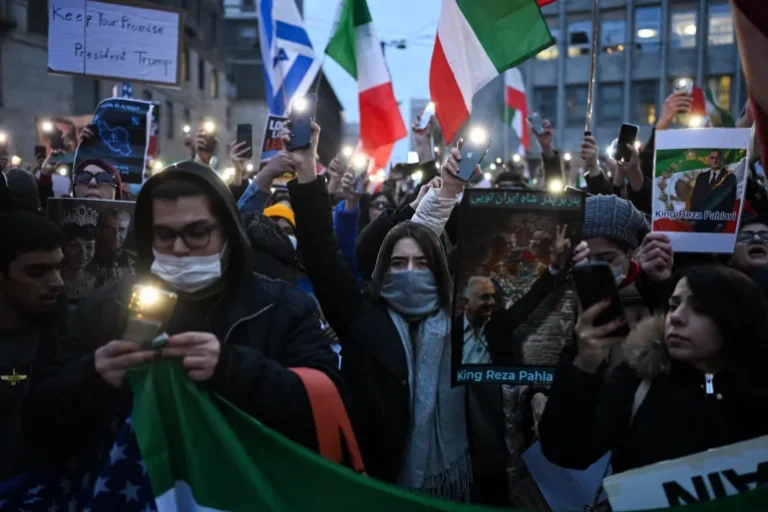
Large crowds of mourners, dressed in black, lined the streets of Tehran as the coffins of the fallen heroes were paraded through the city. The coffins, adorned with photos and national flags, were a stark reminder of the human cost of the conflict. Among those mourned were Major General Mohammad Bagheri, the chief of staff of Iran’s armed forces, Revolutionary Guards commander General Hossein Salami, and Guards Aerospace Force chief General Amir Ali Hajizadeh. Their deaths, along with those of 16 scientists and 10 senior commanders, have left a void in Iran’s military and scientific communities.

The funeral procession culminated in Tehran’s Azadi Square, where mass prayers were held. The square was filled with mourners waving flags and throwing rose petals onto the caskets, a poignant gesture of respect and love for the fallen. State-run Press TV broadcasted the event, showing images of ballistic missiles on display, a symbol of Iran’s military might and readiness to defend its sovereignty.
Prominent Figures in Attendance
The funeral was attended by Iran’s President Masoud Pezeshkian, along with other senior figures, including Ali Shamkhani, an adviser to Iran’s Supreme Leader Ayatollah Ali Khamenei, and Khamenei’s son Mojtaba. The presence of these high-ranking officials underscored the significance of the event and the nation’s collective grief.
Foreign Minister Abbas Araqchi, who also attended the funeral, posted on Telegram, “Today, Iranians, through heroic resistance against two regimes armed with nuclear weapons, protected their honour and dignity, and look to the future prouder, more dignified, and more resolute than ever.” His words reflected the nationalistic sentiment that permeated the event, a sentiment fueled by the belief that Iran had stood firm against overwhelming odds.


The Conflict and Its Aftermath
The conflict, which began on June 13, saw Israel launch a series of aerial attacks on Iranian nuclear facilities and military sites, killing top commanders and civilians. Iran retaliated with barrages of missiles on Israeli military sites, infrastructure, and cities. The United States entered the war on June 22, bombing key nuclear sites in Iran, further escalating the conflict.
The ceasefire, which went into effect on Tuesday, brought a temporary end to the hostilities, but the damage had already been done. According to Iranian health ministry figures, 610 people were killed on the Iranian side, with more than 4,700 injured. Activist news agency HRANA put the number of killed at 974, including 387 civilians. In Israel, 28 people were killed, and 3,238 were injured.
Diplomatic Tensions and Future Uncertainties
The conflict has heightened diplomatic tensions, with US President Donald Trump indicating a willingness to consider further military action against Iran. Trump’s comments about Iran’s Supreme Leader, Ayatollah Ali Khamenei, and the potential for future sanctions relief were met with strong responses from Iranian officials. Foreign Minister Abbas Araqchi warned Trump against making “disrespectful” comments about Khamenei, emphasizing that such remarks would not be tolerated.
The head of the International Atomic Energy Agency (IAEA), Rafael Grossi, noted that the extent of damage to Iran’s nuclear capabilities is still unknown. Grossi emphasized that a diplomatic agreement, rather than military action, is necessary to prevent Iran from developing nuclear weapons. “You are not going to solve this in a definitive way militarily, you are going to have an agreement,” he told the BBC’s US partner CBS News.
Nationalistic Sentiment and Regional Stability
The state funeral and the media campaign to encourage participation reflect a strong nationalistic sentiment in Iran. The event serves to rally public support and reinforce the narrative of Iranian resilience and defiance against external threats. The presence of ballistic missiles on display during the funeral was a clear message to the world that Iran is prepared to defend its sovereignty at any cost.
The conflict and its aftermath have significant implications for regional stability. The involvement of the US and the potential for further military action add layers of complexity to the geopolitical landscape. The statements from both Iranian and US officials indicate a volatile situation that requires careful management to avoid further conflict.
What are conflict implications?
Answer: Regional stability at risk
Who attended the state funeral?
Answer: President Masoud Pezeshkian and other senior officials attended.
What did funeral reflect in Iran?
Answer: The event reinforced Iranian resilience and defiance against external threats.
About the Author