Home Blog Page 8

Trump imposes 50% Tariff on India as Punishment: Shock Move Reshapes Trade, Prices, and Geopolitics

0
Trump imposes 50% Tariff on India as Punishment: Shock Move Reshapes Trade, Prices, and Geopolitics

Introduction :

In a dramatic escalation of global trade tensions, Trump imposes 50% tariff on India as punishment for New Delhi’s continued purchases of discounted Russian oil. The move — which doubles a 25% levy introduced earlier this month — took effect just after midnight in Washington, and now applies to most Indian shipments entering the U.S. Analysts warn the tariff wall could roil supply chains, strain a key strategic partnership, and raise costs for U.S. consumers.

India is America’s largest South Asian trading partner, sending an estimated $87.3 billion worth of goods to the U.S. last year, according to the U.S. Trade Representative. With many of those products now facing steep duties, exporters in sectors such as textiles, gems and jewelry, and seafood are bracing for a difficult stretch. Brazil, too, is confronting a 50% tariff on its exports, underscoring the breadth of Washington’s new trade posture.

Key points at a glance

  • Most Indian exports to the U.S. now face a 50% levy; the rate was 25% earlier this month before being doubled.
  • Some categories are spared for now — notably smartphones — and about 30% of exports (including many pharmaceuticals, certain electronics, raw drug materials/APIs, and refined fuels) remain duty-free.
  • Indian markets reacted: the BSE Sensex fell roughly 1% (down 849 points to 80,876) ahead of the announcement.
  • Industry groups report order cancellations and production pauses in textile and apparel hubs like Tirupur, Delhi, and Surat due to lost cost competitiveness.
  • Economists warn growth could dip below 6% if the tariff regime persists, compared with forecasts near 6.5%.
  • Rival exporters from Thailand to Turkey and Vietnam are moving fast to fill U.S. orders at lower effective landed costs.
  • Tensions over Russian crude are at the center of the dispute; New Delhi calls the U.S. demand to halt those purchases unfair.

Why “Trump imposes 50% tariff on India as punishment” matters

At its core, the White House argues India’s discounted purchases of Russian crude indirectly help fund Moscow’s war in Ukraine. Indian officials counter that the policy is inequitable, pointing out Europe’s far larger trade and energy flows with Russia. The tariff decision, confirmed in a U.S. government notice, lands amid a broader surge in U.S. duties on multiple trading partners — raising concerns about inflation and diplomatic blowback.

Trump imposes 50% Tariff on India as Punishment: Shock Move Reshapes Trade, Prices, and Geopolitics

What’s in scope — and what’s spared

In practice, when Trump imposes 50% tariff on India as punishment, U.S. importers face sharply higher costs on many Indian goods, from apparel and home textiles to cut-and-polished diamonds and processed seafood. Several high-volume categories, however, remain untouched for now. Smartphones are currently excluded, and approximately 30% of India’s exports — including many pharmaceutical formulations, electronics components, raw drug materials, and refined petroleum products — remain duty-free.

For sectors now behind a 50% tariff wall, pricing dynamics shift overnight. Indian products risk being undercut by competitors from China, Vietnam, Cambodia, the Philippines, Thailand, and Turkey, who face lower U.S. duty rates and can quote more aggressive prices.

Early fallout in India’s export hubs

India’s export community is already feeling the squeeze. Trade bodies say manufacturers in Tirupur, Delhi, and Surat — key clusters for knitwear, apparel, and jewelry — have paused production lines as U.S. orders become uneconomical. One federation leader said Indian goods have been rendered uncompetitive against regional rivals under the new tariff regime.

If sustained, the tariff shock could hit employment in labor-intensive sectors and ripple through ancillary supply chains, from spinning mills and dyeing units to logistics and packaging.

What economists are saying

Goldman Sachs’s India economist Santanu Sengupta warns that a persistent 50% levy could drag GDP growth below 6%, from earlier expectations closer to 6.5%. The logic is straightforward: lost orders, margin compression, and delayed investments reduce output and hiring. Meanwhile, U.S. importers face potential price hikes for categories like apparel, accessories, leather goods, furniture, and select electronics — which can push up shelf prices and feed inflation.

India’s response and the Russia factor

Officials in New Delhi say Trump imposes 50% tariff on India as punishment unfairly singles the country out over Russian oil trade. External Affairs Minister S. Jaishankar has called U.S. demands to end those purchases “unjustified,” arguing the West is applying double standards given Europe’s energy ties with Russia. To fully sidestep the tariff pressure on oil-related trade, India would need to replace roughly 42% of its crude imports — a costly and complex pivot in the short term.

At home,Trump imposes 50% tariff on India Prime Minister Narendra Modi has urged a “buy local” push to cushion the blow, encouraging retailers to showcase Made-in-India products. New Delhi is also likely to intensify diplomatic outreach to partners in Moscow and Beijing, even as it maintains working-level dialogue with Washington.

Geopolitics: contradictions and signaling

For global markets, Trump imposes 50% tariff on India as punishment is another shock to an already fragile trade landscape. The move comes even as Washington seeks to manage tensions with Moscow — including talk of summits — and while China, another large buyer of Russian oil, hasn’t faced a comparable tariff tied directly to its crude purchases. The mixed signals complicate diplomacy in the Indo-Pacific and could set back years of trust-building between Washington and New Delhi.

Impact on U.S. consumers and companies

  • Trump imposes 50% tariff on India Apparel, home textiles, jewelry, and leather goods from India could see higher shelf prices or longer lead times as buyers diversify.
  • U.S. brands may shift orders to Vietnam, Thailand, Bangladesh, or Mexico to contain costs.
  • Pharmaceuticals may be more insulated near-term, given many products and APIs remain duty-free, but watch for knock-on effects in packaging, inputs, and logistics.
  • Retailers face difficult renegotiations of contracts, with some shipments already en route now exposed to higher duties at the border.

India can challenge the duties at the World Trade Organization, although dispute resolution takes months and sometimes years. Trump imposes 50% tariff on India Both sides could also negotiate carve-outs, temporary exclusions, or phased relief if political conditions evolve. That said, if the tariff intent is to force a change in India’s oil sourcing, talks may hinge on energy policy as much as trade.

conclusion

As Trump imposes 50% tariff on India as punishment reverberates through boardrooms and factory floors, both countries face hard trade-offs. The U.S. risks higher consumer prices and supply-chain churn; India risks lost orders and slower growth. The strategic partnership has weathered differences before — but this tariff shock will test how much political capital remains on both sides to find a pragmatic off-ramp.

What exactly changed with the new tariffs?

The U.S. doubled tariffs on most Indian imports from 25% to 50%. The change was implemented just after midnight in Washington and applies to a broad range of goods.

Which Indian sectors are most exposed?

Textiles and apparel, gems and jewelry, and seafood face the highest near-term pressure due to the new landed costs and intense competition from lower-tariff countries.

Punjab on High Alert: exceptionally high flood in Chenab, Ravi and Sutlej Surge

0
Punjab on High Alert: exceptionally high’ flood in Chenab, Ravi and Sutlej Surge

Army deployed as exceptionally high’ flood in Chenab, Ravi and Sutlej triggers Punjab emergency:

Punjab is battling an exceptionally high flood in Chenab after days of relentless monsoon rains combined with sudden upstream releases from Indian dams. The provincial government has called in the army across six districts to backstop civil authorities with round-the-clock rescue and relief.

By midday Wednesday, the Flood Forecasting Division confirmed an exceptionally high flood in Chenab at the Qadirabad and Khanki headworks, while the Ravi (at Jassar) and Sutlej (at Ganda Singh Wala) also swelled to dangerous levels. Thousands living along river belts are under urgent evacuation advisories.

Situation at a glance

  • exceptionally high flood in Chenab at Qadirabad and Khanki; Ravi at Jassar; Sutlej at Ganda Singh Wala
  • Another Chenab point downgraded to “very high” at Marala (flows declining)
  • Five key Indus headworks (Chashma, Taunsa, Guddu, Sukkur, Kotri) currently at low flood
  • PM directs ministers to visit impacted districts; army assisting in six districts
  • PDMA warns of high flood on Ravi at Jassar; more showers expected across Punjab
  • Rescue 1122: Over 32,500 people evacuated from riverine areas
  • Sialkot records heaviest rainfall in 49 years

Where the exceptionally high’ flood in Chenab stands now

  • Khanki Headworks: Outflows above 1,000,000 cusecs and “steady,” indicating the exceptionally high flood in Chenab continues to press downstream.
  • Qadirabad Headworks: Outflows exceeding 900,000 cusecs with a “rising” trend, suggesting the exceptionally high flood in Chenab could intensify through the afternoon.
  • Marala Headworks: Eased from “exceptionally high” to “very high,” with declining outflows around 600,000 cusecs.

exceptionally high flood in Chenab

Ravi and Sutlej status:

  • Jassar (Ravi): Above 200,000 cusecs with a “falling” trend; PDMA maintains high-flood alert for the reach.
  • Ganda Singh Wala (Sutlej): Over 200,000 cusecs and “steady.”
  • Balloki and Shahdara (Ravi): Medium flood; both under 100,000 cusecs.
  • Suleimanki (Sutlej): Medium flood around 100,000 cusecs.
  • Islam Headworks (Sutlej): Low flood.

Indus basin:

  • Chashma, Taunsa, Guddu, Sukkur, and Kotri: Low flood as of the latest midday update.

Dam operations and releases:

  • NDMA announced Tarbela spillways opening around 12:30 pm to manage reservoir levels, with downstream flows expected to reach ~250,000 cusecs. People are advised to stay away from riverbanks and adjoining waterways.

Government and army response

A high-level meeting chaired by Punjab Minister Khawaja Salman Rafiq and Chief Secretary Zahid Akhtar Zaman reviewed the evolving flood picture. Authorities decided not to place breaching sections on embankments along the Chenab and Ravi at this stage. Instead, the focus is on swift evacuations, protecting critical infrastructure, and continuous monitoring. Officials emphasized there is no margin for error amid the exceptionally high flood in Chenab.

Punjab Relief Commissioner Nabeel Javed said deputy commissioners and field teams are present on the ground to oversee evacuations and logistics. The prime minister has directed federal ministers to visit the hardest-hit districts, coordinate support, and remove bottlenecks in relief.

Evacuations and safety

Rescue 1122 reports more than 32,500 people have been moved from vulnerable riverine belts, with priority given to low-lying hamlets most exposed to the crest of the exceptionally high flood in Chenab. Medical teams, boats, and temporary shelters are being deployed, and residents are urged to comply with evacuation orders without delay.

Upstream releases and weather drivers

  • Following heavy rains in Indian-administered Kashmir, India opened all gates of major reservoirs on upstream rivers and warned Pakistan of potential downstream impacts. The PDMA noted Thein Dam (Ravi) gates were opened and issued a follow-up warning regarding likely releases from the rapidly filling Madhopur Dam (also on Ravi).
  • In northern Pakistan, intense monsoon downpours have swollen upper catchments, compounding inflows into the Chenab, Ravi, and Sutlej. Sialkot recorded its heaviest rainfall in 49 years, with further showers likely in parts of Punjab.

What to watch next

  • If the exceptionally high’ flood in Chenab persists over the next 12–24 hours, expect sustained pressure at downstream headworks and potential spillovers into connected nullahs and agricultural tracts.
  • Flows can change quickly. Follow NDMA/PDMA advisories, district administration updates, and river gauges for real-time direction.
  • Avoid riverbanks, bridges, and spill channels; keep emergency kits, medicine, and documents ready; move livestock to higher ground as early as possible.

Quick safety checklist

  • Heed evacuation orders immediately and move to designated relief centers.
  • Avoid crossing inundated roads; even shallow, fast-moving water is dangerous.
  • Keep phones charged, flashlights ready, and a battery-powered radio if possible.
  • Secure valuables and switch off electricity at the main breaker before leaving.
  • Check on elderly neighbors, people with disabilities, and families with small children.


Which areas are currently most at risk?

Riverine and low-lying belts downstream of Chenab (Khanki, Qadirabad reaches), Ravi (Jassar), and Sutlej (Ganda Singh Wala) are under the greatest pressure. Conditions can shift quickly, so follow your district administration’s latest advisories

Why is this flood so severe?

A combination of intense monsoon rains in upper catchments and upstream releases from Indian dams (including Thein and expected releases from Madhopur on Ravi) has sharply boosted inflows, compounding runoff already moving through the system.

How is the government responding?

The Punjab government has deployed the army in six districts to support evacuations and relief. The PM has directed ministers to visit impacted areas, and PDMA/NDMA are coordinating operations, logistics, and real-time monitoring.

2025 guide to irs stimulus checks eligibility, tariff rebates, and refund tracking

0

If you’re wondering about irs stimulus checks eligibility in 2025, here’s a clear, up‑to‑date overview of what’s real, what’s proposed, and how to track any federal or state money you’re owed.

This page breaks down the policy landscape—from proposed tariff rebates and the American Worker Rebate Act of 2025 to state “inflation relief” programs—while also explaining how to check your federal and state refund status. You’ll also find answers to common questions and tips to avoid scams, plus how irs stimulus checks eligibility was determined for the pandemic-era payments.

At a glance:

  • There is no official, authorized fourth federal stimulus check as of today.
  • The window to claim the 2021 Recovery Rebate Credit (the third stimulus) has closed for most taxpayers in April 2025.
  • President Trump floated a tariff rebate concept; it’s not law. A separate bill, the American Worker Rebate Act of 2025, has been announced but not enacted.
  • Several states continue to run separate rebate/relief programs with their own rules and timelines.
  • Use the IRS “Where’s My Refund?” tool to track your federal refund; most direct deposits arrive within 21 days after acceptance.

What changed in 2025?

  • Fourth stimulus check rumors: Despite social posts and viral headlines, neither Congress nor the IRS has authorized a new federal stimulus payment in 2025. Treat unsolicited “$2,000 check” claims as misinformation or potential fraud.
  • Tariff rebate idea: On July 25, President Donald Trump said the administration is considering returning some tariff revenue to taxpayers as a rebate. This would likely require congressional action or formal Treasury/IRS guidance; no program is live.
  • American Worker Rebate Act of 2025 (announced): Sen. Josh Hawley proposed sending checks to eligible Americans—reported figures include $600 per individual and up to $2,400 for a family of four. It remains a proposal; amounts, income thresholds, administration (likely via IRS), and timing would be determined if/when Congress passes a bill.
  • “DOGE dividend” comment: Earlier in the year, the president mentioned exploring $5,000 payments from government savings as a “DOGE dividend.” No plan details or formal proposal have been released since.

Who qualifies: irs stimulus checks eligibility and past EIP amounts

Here’s a quick refresher on the three Economic Impact Payments (EIPs) sent during the pandemic and how they worked.

PaymentMax per eligible adultDependent rulesTypical income thresholds (AGI)Notes
EIP 1 (2020)$1,200+$500 per qualifying child under 17Began phasing out at $75,000 (single), $150,000 (MFJ)Letter 1444 confirmed payment
EIP 2 (2020/21)$600+$600 per qualifying child under 17Similar phase-out start as EIP 1Notice 1444‑B documented payment
EIP 3 (2021)$1,400+$1,400 per dependent of any ageFull payment below $75,000 (single), $150,000 (MFJ); hard cutoff at $80,000 (single), $160,000 (MFJ), $120,000 (HoH)Letter 6475 summarized total received

Key deadline: The Recovery Rebate Credit for 2021 (the way to claim a missing third stimulus) is now closed. For most taxpayers, the three‑year window to file and claim a 2021 refund expired in April 2025 (generally around April 18, 2025, depending on where you live). If you didn’t file in time, the credit can no longer be paid.

If you’re unsure what you received:

  • Check IRS letters/notices (e.g., Letter 6475 for EIP 3).
  • View your IRS Account Online or request a tax transcript to confirm posted EIP amounts.
  • Consult a trusted tax professional if your records don’t match what the IRS shows.

Stimulus vs. rebate: what’s the difference?

  • Stimulus check: A direct payment meant to boost consumer spending and stabilize the economy, usually legislated by Congress and paid via the IRS.
  • Rebate: A refund of money previously collected (for example, from tariffs or sales/property taxes), often tied to specific conditions or policy goals.

Why this matters for US trade policy: Tariffs are taxes on imports; they can increase federal revenue but may raise consumer prices. Returning some tariff revenue as a rebate is one way to offset household costs from trade measures. Any such rebate would need a legal mechanism, clear eligibility rules, and an administrative system—commonly the IRS—to deliver payments.


American Worker Rebate Act of 2025: what we know so far

  • Status: Announced by Sen. Josh Hawley; not enacted.
  • Concept: Checks to qualifying Americans—figures floated include $600 per eligible adult, up to $2,400 for a family of four.
  • What to expect if it advances: A formal bill text will spell out income thresholds, filing status rules, dependent counts, and how/when payments would be delivered. Any new program would have its own criteria, separate from past irs stimulus checks eligibility.
  • How to stay updated: Monitor congress.gov, senate.gov, whitehouse.gov, irs.gov, or reputable news outlets. Avoid sign‑ups on non‑.gov sites promising early access or guaranteed payments.

Are states still sending “inflation relief” or rebate checks?

Some states continue to run relief or rebate programs—separate from federal stimulus—using state budget surpluses, tax collections, or special legislation. Amounts and eligibility vary widely by state and may change each year. Examples include:

  • Colorado: TABOR refunds (amounts vary by filing status/year)
  • Georgia: Special state income tax refunds (based on prior-year tax liability)
  • New Jersey: ANCHOR property tax relief
  • Pennsylvania: Property Tax/Rent Rebate program (expanded eligibility/amounts in recent years)
  • Others may offer targeted homeowner or sales/property tax relief

Action: Check your state’s department of revenue or taxation website for the latest programs, eligibility, and timelines. Be cautious of unofficial “claim portals.”


How to track your federal refund (and what to expect)

Tracking a refund isn’t the same as validating irs stimulus checks eligibility, but the steps below will help you follow the status of any federal tax refund you’re due.

  • Use the IRS “Where’s My Refund?” tool:
    • You can check 24 hours after e‑filing.
    • Updates post once daily (overnight).
    • You’ll need: SSN/ITIN, filing status, exact refund amount.
  • Status messages you’ll see:
    • Return Received (processing)
    • Refund Approved (preparing payment)
    • Refund Sent (issued to your bank or mailed)
  • Timing:
    • E‑file + direct deposit: many refunds arrive within 21 days after IRS acceptance.
    • Paper return or paper check: expect longer (often 6–8+ weeks).
  • Phone support: 800‑829‑1954 (expect wait times during peak season).
  • Common delay reasons:
    • Identity verification requests (e.g., Letter 5071C)
    • PATH Act holds (early‑season returns with EITC/ACTC)
    • Math/credit mismatches, missing forms, or additional reviews

How to track your state refund

Most states offer online refund status tools. A few quick links:

  • Delaware “Check the Status of Your Refund” (Delaware Division of Revenue):
  • Pennsylvania “Where’s My Refund?” (myPATH):
  • New Jersey “Where’s My Refund?” (NJ Division of Taxation):

Tip: Have your SSN/ITIN, filing status, and exact refund amount handy. If your state doesn’t have a tool, call your state revenue department.


Can I still claim a missing stimulus payment?

  • EIP 1 and EIP 2 were reconciled on your 2020 return.
  • EIP 3 was reconciled on your 2021 return via the Recovery Rebate Credit.
  • The filing windows to claim those credits have closed for most taxpayers (2020 refunds generally closed in mid‑May 2024; 2021 refunds closed in April 2025). If you missed the deadline, the IRS is no longer authorized to issue those credits.

If you believe the IRS records are wrong:

  • Gather your bank statements, IRS notices (e.g., 1444 series, Letter 6475), and return transcripts.
  • Speak with a licensed tax professional about options. In limited cases involving identity theft or misapplied payments, other remedies may exist—but late claims for the Recovery Rebate Credit aren’t payable once the statute closes.

Target CEO Brian Cornell to Step Down in 2026: Can Michael Fiddelke Lead a Comeback?

0
Target CEO Brian Cornell to Step Down in 2026: Can Michael Fiddelke Lead a Comeback:

Target CEO Brian Cornell to Step Down in 2026: Can Michael Fiddelke Lead a Comeback:

After more than a decade at the top, Target is preparing for a changing of the guard. The retailer said Target CEO Brian Cornell will step down in February 2026 and become executive chairman, with Chief Operating Officer Michael Fiddelke set to take over as the next CEO.

The leadership handoff comes during a tough stretch for Target—marked by softer sales, tighter margins, a stock slide, and public backlash over its retreat from diversity, equity, and inclusion (DEI) initiatives.

Shoppers browsing a brightly lit retail aisle

At a glance

  • Comparable sales fell 1.9% in Q2 2025, including a 3.2% drop in store traffic
  • Digital sales rose 4.3%
  • Gross margin slipped to 29% from 30% a year ago
  • Target’s stock fell about 11% following the leadership news, per The Economic Times
  • Brian Cornell exits day-to-day leadership in 2026; Michael Fiddelke named successor

What went wrong
Target’s recent results reflect a few converging pressures:

  • Value-focused consumers: Shoppers have been trading down and stretching budgets, making competition from discount chains and online marketplaces even fiercer.
  • Traffic slowdown: Store comps fell, a sign that Target’s in-person draw weakened despite modest growth in digital orders.
  • Margin squeeze: Gross profit margins tightened to 29%, down from 30% last year, amid elevated costs and price-matching pressures.

“We’re not pleased with the results,” Cornell told Yahoo Finance’s Brian Sozzi, while noting the business showed signs of improvement heading into the third quarter.

The DEI rollback—and the trust gap


One flashpoint has been Target CEO Brian Cornellpullback on certain DEI programs. The shift prompted criticism and reported consumer boycotts, particularly among Black communities. Members of the founding Dayton family also publicly warned the move could erode trust among loyal shoppers. The reputational hit has complicated Target’s job of winning back lapsed customers at a time when every visit matters.

Cornell’s legacy: From revival to reset


When Target CEO Brian Cornell took the reins in 2014, Target doubled down on store remodels, built a stronger digital backbone, and launched popular owned brands that helped the company top $100 billion (about £74 billion) in annual sales by 2021. Those wins are real—but recent controversies and a tougher retail climate have overshadowed them, forcing a reset.

Who is Michael Fiddelke?


A 20-year Target veteran, Michael Fiddelke has led across finance, merchandising, operations, and HR—experience that should help in a turbulent moment. As COO, he’s already been close to the operational levers Target will need to pull: merchandising discipline, in-store experience, and technology investment.

Fiddelke’s early priorities

  • Reignite merchandising appeal: Sharpen value, refresh owned brands, and deepen exclusive partnerships to drive differentiation.
  • Win back traffic: Improve store experience and convenience across pickup, drive-up, and delivery to convert occasional shoppers into loyal ones.
  • Invest with discipline: Modernize tech and supply chain while protecting margins.
  • Rebuild trust: Clarify Target’s values and community commitments to repair relationships with core customer groups.
  • Compete on price—smartly: Engage in price wars where it counts, without sacrificing profitability across the board.

What investors and shoppers will watch next

  • Traffic stabilization: Do store visits recover as assortments and value messaging improve?
  • Margin trajectory: Can Target grow profit per visit while reinvesting in price and experience?
  • Brand trust: Does sentiment rebound following the DEI rollback?
  • Digital mix: Does online growth continue without cannibalizing in-store profitability?

The bottom line
Target CEO Brian Cornell next chapter will hinge on execution. If Michael Fiddelke can balance value with distinct merchandising, rebuild trust, and streamline operations, he’ll have the foundation to turn around comps and margins. The brand still has scale, loyalty, and a track record of reinvention—now it needs momentum.

Q1: When will Brian Cornell step down as Target’s CEO?

A: Target says Target CEO Brian Cornell will step down in February 2026 and become executive chairman to support the transition.

Q2: Who is Michael Fiddelke, and what’s his background?

A: Michael Fiddelke is Target’s Chief Operating Officer and a 20-year company veteran with leadership experience across finance, merchandising, operations, and HR.

Q3: Why are Target’s sales under pressure?

A: Comparable sales fell 1.9% in Q2 2025 amid weaker store traffic, tighter consumer budgets, and intense competition from discount and online rivals.

Oil prices fall on Russia-Ukraine cease-fire talk: Brent, WTI slide

0
Oil prices fall
Oil pumpjacks as global energy markets react to shifting geopolitics. Photo: Zbynek Burival/Unsplash

Introduction:

Oil prices fall across global benchmarks as energy traders react to headlines suggesting exploratory diplomacy aimed at easing the Russia–Ukraine conflict. The prospect—however tentative—of talks that could legitimize or end the war has spurred speculation that sanctions enforcement might be recalibrated, allowing more Russian barrels into the market and boosting global crude supply. Oil prices fall With the geopolitical risk premium fading at the margins, both Brent crude and U.S. West Texas Intermediate (WTI) extended losses intraday by more than 1%, according to futures market data.

Why markets moved

  • Peace-talk optics: Even the hint of a pathway to cease-fire negotiations can pressure crude prices by reducing perceived supply-risk. Traders are effectively pricing in a scenario where Russian exports face fewer frictions, easing tightness.
  • Sanctions calculus: The G7/EU price cap and shipping insurance restrictions have redirected Russian flows, not eliminated them. Any softening in enforcement—or renewed waivers—could increase transparency and throughput of Urals, ESPO, and CPC flows, narrowing discounts to Brent Oil prices fall.
  • Asia demand rebalancing: Chinese refiners have opportunistically absorbed more discounted Russian cargoes when Indian intake slows due to payment bottlenecks or heightened compliance risks. A re-tilt toward China can stabilize Russian exports even when other buyers step back.
  • Macro weight: Oil prices fall A firmer U.S. dollar and cautious global growth outlook weigh on commodities priced in USD. Seasonal refinery maintenance in the Northern Hemisphere also tends to reduce crude runs in early autumn, easing prompt demand for feedstock.
  • Inventory signals: Preliminary industry data have pointed to mixed U.S. crude and product stock changes in recent weeks. Any unexpected builds tend to reinforce downside for front-month futures, especially when timespreads are already narrowing.

Positioning, spreads, and volatility


Fund positioning has turned notably two-sided. Commodity Trading Advisors (CTAs) and macro funds have added shorts as momentum softened, while some physical players hedge downside ahead of maintenance. If cease-fire progress stalls or new disruptions emerge, the combination of elevated shorts and tightening physical differentials could fuel a snapback rally. The structure reflects this tug-of-war: front-month time-spreads have recently compressed, signaling a softer prompt market versus earlier periods of strong backwardation.

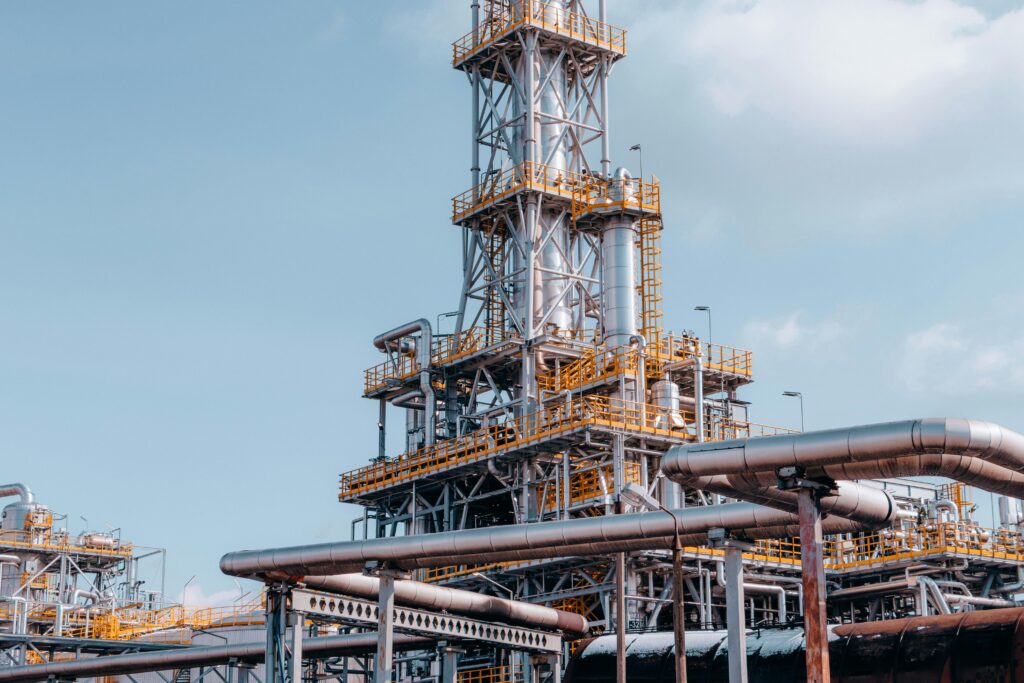
OIL REFINERY PLANT|IMAGE BY PIXELS.COM

OPEC+ and the supply side


Oil prices fall OPEC+ has signaled it will calibrate voluntary cuts based on observed balances and inventories. Non-OPEC supply growth from the U.S., Brazil, Canada, and Guyana remains a headwind for sustained price gains, even as decline rates and project pacing vary by basin. On the demand side, the International Energy Agency’s assessments into late 2024 highlighted moderating growth as post-pandemic rebounds faded, keeping the market sensitive to incremental supply surprises.

Scenario watch

  • If diplomacy gains traction: Oil prices fall could see further downside as traders discount a lower war-risk premium and anticipate more Russian barrels moving with fewer frictions. Freight, insurance, and compliance costs could ease, supporting higher effective exports and narrower differentials.
  • If talks stall or tensions escalate: Expect a fast short-covering bounce, wider backwardation, firmer crack spreads for middle distillates, and renewed scrutiny on Black Sea logistics, pipelines, and shadow-fleet insurance. Price cap enforcement and secondary sanctions would likely tighten again.

Events and data to monitor

  • OPEC and IEA monthly reports for updates on demand growth and supply revisions
  • Oil prices fall U.S. EIA weekly petroleum status report (crude stocks, runs, exports)
  • Baker Hughes rig count and Permian productivity trends
  • Headline risk from Russia–Ukraine negotiations, EU/G7 sanctions guidance, and maritime insurance policy shifts
  • Chinese macro data, stimulus measures, and refinery run rates, which set the tone for Asian crude demand

FAQS:

Q1: Could a cease-fire end the bull case for crude?

A: Not entirely. While a cease-fire can trim the risk premium and support supply, structural drivers—OPEC+ strategy, non-OPEC growth, global GDP, refinery margins, and inventories—still set the medium-term trend.

Q2: What’s the biggest near-term risk to the downside view?

A: A sudden collapse in talks or new disruptions could flip sentiment quickly. With speculative shorts elevated, a surprise headline could spark a sharp short-covering rally.

Nigeria Boat Disaster: 40+ Passengers Missing After Sokoto State Capsizing

0
Nigeria Boat Disaster: 40+ Passengers Missing After Sokoto State Capsizing

Eartbreak on the Shagari River: Over 40 Missing in Sokoto Boat Disaster as Rescue Efforts Intensify

A sense of dread hangs heavy over Sokoto State in northwestern Nigeria today. Nigeria Boat Disaster Families are clinging to hope while rescue teams scour the murky waters of the Shagari River, desperately searching for more than 40 passengers missing after a crowded boat capsized en route to a bustling market. The National Emergency Management Agency (NEMA) confirmed the devastating incident Sunday, revealing that only about 10 people have been pulled to safety so far.

The tragedy struck early Sunday morning. A wooden boat, packed with well over 50 passengers bound for the popular Goronyo Market, succumbed to the river’s currents and overturned. Witnesses described scenes of panic as the vessel, likely overloaded far beyond its safe capacity, disappeared beneath the water. The Shagari River, a vital but often perilous transport route, became the site of a frantic rescue mission within hours.

NEMA Springs into Action
NEMA Director General Zubaida Umar acted swiftly upon Nigeria Boat Disaster receiving the distressing news. “Our hearts go out to the families of those missing,” Umar stated, her voice heavy with concern. “We immediately activated our National Response Team. Every minute counts in these critical hours.”

Under Umar’s direct orders, NEMA specialists equipped with search-and-rescue gear raced to the remote accident site near the Shagari area. They joined forces with local heroes – fishermen familiar with the river’s treacherous bends, Sokoto State Emergency Management Agency (SEMA) personnel, local divers, and community volunteers. Together, they formed a human chain of hope against the vast expanse of water.

The Agonizing Search
Rescue operations are a race against time and elements. Divers plunge into the deep, dark currents, while teams scan the riverbanks downstream, hoping for signs of survivors swept away. Boats patrol the area, their occupants peering intently at the water’s surface. On shore, anxious families wait, their faces etched with fear as officials compile lists of the missing.

“We are utilizing every available resource,” explained a NEMA coordinator at the scene. “Local knowledge is invaluable here. Fishermen know where debris collects or where someone might have managed to reach a bank.” Despite the collaborative effort, the sheer number missing – over 40 souls – underscores the magnitude of the disaster and the challenges faced by rescuers.

A Recurring Nightmare: Why Do These Tragedies Happen?
This heartbreaking incident is not isolated. Sokoto State and other riverine communities across Nigeria face recurring boat accidents, often with devastating loss of life. The factors are tragically familiar and preventable:

Nigeria Boat Disaster: 40+ Passengers Missing After Sokoto State Capsizing
  1. Chronic Overloading: Boats, especially on market days like this one heading to Goronyo, are routinely packed far beyond safe limits. Profit or convenience often trumps safety protocols.
  2. Lack of Safety Gear: Life jackets are a rarity. Passengers, many unable to swim, are left terrifyingly vulnerable if the boat capsizes.
  3. Aging Vessels & Poor Maintenance: Many passenger boats are old, poorly maintained, and ill-equipped to handle strong currents or sudden shifts in weight.
  4. Limited Regulation & Enforcement: Monitoring and enforcing safety standards on often-informal river transport routes remains a significant challenge.
  5. Weather & Water Conditions: Sudden weather changes or deceptively strong currents can overwhelm even moderately loaded vessels.

Just three years ago, in 2021, Sokoto State witnessed a similar tragedy where over 30 people perished. Each accident brings promises of action, yet the underlying issues persist, leaving communities vulnerable.

Beyond Rescue: A Call for Change
While the immediate focus is rightly on finding survivors, this latest Nigeria Boat Disaster Sokoto disaster screams for urgent, long-term solutions. Safety advocates and community leaders are renewing calls for:

  • Strict Enforcement of Capacity Limits: Implementing and rigorously policing passenger limits on all boats.
  • Mandatory Life Jackets: Making affordable, accessible life jackets compulsory for every single passenger and crew member.
  • Regular Boat Safety Inspections: Establishing robust, regular checks for vessel seaworthiness.
  • Community Awareness & Training: Educating boat operators and passengers on safety practices and emergency procedures.
  • Investment in Alternatives & Infrastructure: Exploring safer transport links (bridges, roads) and improving river navigation aids where water transport is essential.

A Community in Anguish
As night fell on Sokoto, the searchlights continued to pierce the darkness over the Shagari River. For the families of the missing, the wait is agonizing. Each hour deepens their fear, yet fuels a desperate hope that their loved ones might still be found alive. Community vigils have begun, prayers rising into the night air.

NEMA and its partners have vowed to continue operations non-stop. “We will not give up,” DG Umar emphasized. “Our teams will work through the night and into tomorrow. Finding these missing people is our absolute priority.”

The nation watches and waits, hoping for miracles on the river, while the Sokoto boat tragedy serves as another stark, painful reminder of the human cost of neglected waterway safety.

Northern Pakistan in crisis: Flash floods hit Buner KP

0
Flash floods hit Buner hardest as death toll in northern areas surges to over 340

Flash floods hit Buner hardest as death toll in northern Pakistan tops 340

Buner, Khyber Pakhtunkhwa—Flash floods hit Buner with devastating force, making it the worst-affected district in a catastrophic spell of monsoon rains across northern Pakistan. According to the Provincial Disaster Management Authority (PDMA), Khyber Pakhtunkhwa’s death toll has risen to at least 332, with the overall toll across the wider region surpassing 340. When combined with confirmed fatalities in Gilgit-Baltistan (12) and Azad Jammu and Kashmir (9), the total climbs to at least 353 lives lost—numbers that officials warn may still rise as search and rescue operations continue.

In Buner alone, authorities reported 208 deaths within the past 48 hours, alongside at least 120 injured and 50 people still missing, according to the Deputy Commissioner’s office and PDMA’s situation report. The scale of the tragedy is compounded by intense cloudbursts and fast-rising waters that overwhelmed communities, washed away homes, and disrupted access to entire localities.

Adding to the heartbreak, five crew members of a provincial government helicopter lost their lives when their aircraft crashed in Mohmand district during relief and rescue operations, PDMA confirmed.

State of emergency and government response

  • The Khyber Pakhtunkhwa government has declared a state of emergency in the Flash floods hit Buner hardest-hit districts: Buner, Bajaur, Swat, Shangla, Mansehra, Torghar, Upper Dir, Lower Dir, and Battagram. The emergency will remain in force until August 31.
  • Local administrations have been authorized to mobilize all available resources for search, rescue, and relief. PDMA has begun dispatching tents, non-food items, and other essential supplies from central stocks to affected areas.
  • The KP government has released Rs1 billion to PDMA for immediate response and compensation, and allocated over Rs1.55 billion to the Communication and Works Department to restore damaged highways and bridges.

District-by-district impact at a glance

Figures are based on PDMA’s situation reports and district administration updates and may change as assessments continue.

DistrictReported deathsInjuredMissingNotable damage/notes
Buner20812050Worst-hit; widespread flash flooding
Shangla37N/AN/AOne school impacted
Mansehra23N/AN/AEmergency declared
Swat22N/AN/ATwo schools damaged
Bajaur21N/AN/AEmergency declared
Battagram15N/AN/AEmergency declared
Lower Dir5N/AN/AEmergency declared
Abbottabad1 (child)N/AN/ADrowning incident
KP-wide housing11 destroyed63 houses partially damaged (KP total)

Telecom and connectivity: restoration underway

Floodwaters damaged multiple cellular and fixed-line sites, Flash floods hit Buner causing service disruptions in pockets of KP. The Pakistan Telecommunication Authority (PTA) says its teams are on the ground coordinating with federal and provincial authorities, district administrations, and telecom operators to restore connectivity swiftly—critical for both rescue coordination and families trying to reach loved ones.

  • PTA officials met in Buner with Federal Minister for Kashmir Affairs and Gilgit-Baltistan Amir Muqam, PTI Chairman Barrister Gohar Ali Khan, Deputy Commissioner Kashif Qayum, and senior representatives of PTCL and cellular mobile operators to review recovery timelines.
  • Mobile operator Jazz has announced free on-net and PTCL calls for all subscribers in KP to help residents connect during the emergency.
  • Nationwide, the Government of Pakistan’s unified PEHL 911 emergency helpline is active and free to use.

Why this flooding turned deadly so fast

Flash floods occur when extreme rainfall—often cloudbursts—hits steep terrain and narrow valleys, creating torrents that rise in minutes.Flash floods hit Buner Much of Khyber Pakhtunkhwa’s northern belt, including Buner and Malakand Division districts, is especially vulnerable to such rapid-onset events: saturated soils, fragile slopes, and debris-laden flows amplify destruction, while landslides and washed-out bridges block access just when help is most needed. Climate variability is increasing the intensity of short, extreme rainfall bursts across South Asia, which can turn a severe monsoon spell into a life-threatening catastrophe.

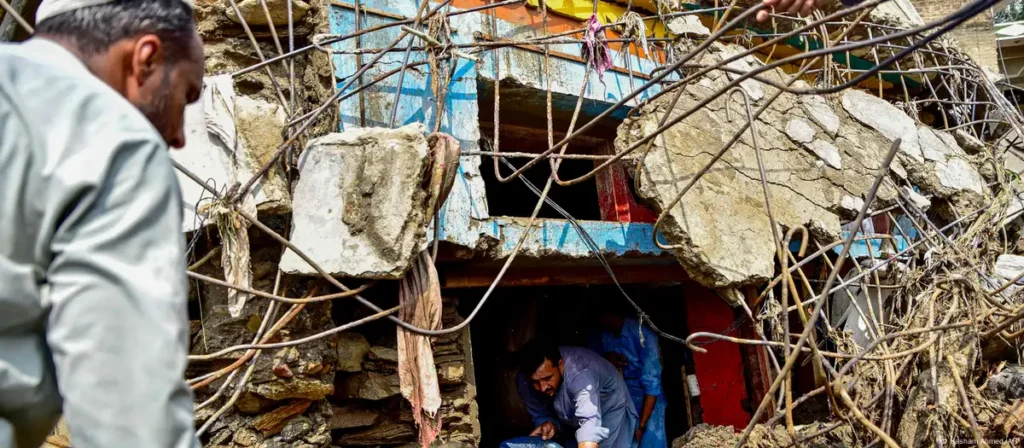
Floods leave hundreds dead in northern Pakistan

What authorities say is next

  • Search and rescue: District administrations, Rescue 1122, the military, and volunteer teams are working to reach cut-off communities. Missing persons lists are being updated regularly.
  • Relief: In Flash floods hit Buner PDMA is distributing tents, bedding, and essential items; community shelters are being set up where possible.
  • Roads and bridges: Emergency repairs are prioritized to reopen critical arteries for relief convoys and ambulances.
  • Communications: Operators are moving in backup power, portable towers, and fiber repairs as weather conditions allow.

If you’re in the affected areas: safety checklist

  • Call 911 (PEHL) for emergencies; follow instructions from local authorities.
  • Stay away from riverbanks, dry streambeds (nullahs), and landslide-prone slopes—even after water levels recede.
  • Do not attempt to cross flooded roads or bridges; just 15–30 cm of fast-moving water can sweep a vehicle away.
  • Keep phones charged; pack essentials (ID, medicines, water, a flashlight, power bank) in a go-bag.
  • Use SMS or data calls when possible to ease network congestion.
  • Monitor official updates from PDMA KP, district administrations, and PTA.

How you can help

  • Donate to reputable, transparent organizations with disaster response footprints in KP, such as the Pakistan Red Crescent Society, Edhi Foundation, and Alkhidmat Foundation. Verify official channels before sending funds.
  • Contribute priority items via vetted drives: clean drinking water, ORS, ready-to-eat food, tents, bedding, hygiene kits, and baby supplies.
  • Consider blood donations through recognized hospitals and blood banks.
  • Share credible information only; avoid spreading unverified posts that may hinder rescue operations.

Voices from the ground

Residents and first responders describe walls of water rushing through narrow valleys, sweeping away anything in their path. With access roads blocked and communications down in some pockets, families are relying on neighbors, mosques, and community centers for shelter and information while they await relief. Local volunteers have been pivotal, guiding search teams and helping evacuate those in harm’s way.

Rahul Gandhi Calls Out Modi After Trump’s Bold Five-Jet Downing Allegation in India-Pakistan Conflict

0
Unveiled Secrets: Rahul Gandhi Calls Out Modi After Trump’s Bold Five-Jet Downing Allegation in India-Pakistan Conflict

Rahul Gandhi Presses PM Modi for Answers After Trump’s Five-Jet Claim in India-Pakistan Tensions

Indian politics is abuzz after US President Donald Trump claimed that five fighter jets were shot down during the recent military standoff between India and Pakistan. The statement has prompted Congress leader Rahul Gandhi to demand transparency from Prime Minister Narendra Modi, insisting that the nation deserves to know the facts.

Taking to social media, Gandhi posted, “Modi ji, what is the truth about the 5 [jets]? The country has the right to know!” His call for clarity comes amid growing criticism of the Modi government following India’s reported setbacks in the brief but intense conflict with Pakistan.

Background of the Conflict

The latest escalation began in April after a deadly militant attack in Pahalgam, located in Indian Illegally Occupied Jammu and Kashmir (IIOJK), which claimed the lives of 26 men. India blamed Pakistan for the attack, a charge Islamabad has strongly denied, instead calling for an independent investigation.

In response to the attack, both nuclear-armed neighbors engaged in heavy cross-border strikes. Pakistan claims it shot down six Indian aircraft during the hostilities, while India’s top military officials admitted to initial losses but asserted that they quickly adapted their strategy and regained the upper hand before a ceasefire was reached.

Trump’s Controversial Statement

During a dinner with Republican lawmakers at the White House, President Trump remarked, “Planes were being shot out of the air. Five, five, four or five, but I think five jets were shot down actually.” Trump has also taken credit for brokering the ceasefire, which was announced on May 10 after US diplomatic intervention.

However, India has pushed back against Trump’s narrative, maintaining that the ceasefire was the result of direct talks between New Delhi and Islamabad, without any external mediation. India’s official stance is that all disputes with Pakistan should be resolved bilaterally.

Geopolitical Implications

The incident has once again highlighted the complex dynamics between India, Pakistan, and the United States. While India is a key partner for the US in its efforts to counter China’s influence in Asia, Pakistan remains a longstanding US ally.

As the debate continues, the Indian public and political opposition are demanding greater transparency from the government regarding the true events of the conflict and the fate of the jets.


Conclusion

The recent India-Pakistan conflict has reignited debates over transparency, accountability, and the role of international actors in South Asian security. As political leaders and citizens seek answers, the need for clear and accurate information remains more important than ever.

Q1: What did President Trump say about the India-Pakistan conflict?

President Trump claimed that five jets were shot down during the recent hostilities between India and Pakistan, a statement that has sparked

Q2: How many jets does Pakistan claim to have shot down?

Pakistan has stated that it shot down six Indian aircraft during the conflict.

Q3: What triggered the recent India-Pakistan escalation?

The escalation was triggered by a militant attack in Pahalgam, IIOJK, which killed 26 men. India blamed Pakistan for the attack, while Pakistan denied involvement.

Israeli Strikes on Gaza Kill 41:Trump Claims Hostage Release Imminent

0
Israeli Strikes on Gaza Kill 41:Trump Claims Hostage Release Imminent

Introduction:

At least 41 Palestinians were killed on Saturday in a series of Israeli airstrikes across the Gaza Strip, according to hospital sources.

The latest attacks targeted several neighborhoods and aid distribution points in the besieged enclave, leaving more than 100 others injured. Emergency workers have warned that the death toll could rise further, as many of the wounded are in critical condition.

Among the victims were 12 people who were reportedly waiting for food aid when they were struck, medical staff said.

The ongoing conflict has severely disrupted humanitarian operations, with repeated attacks on areas where civilians gather for essential supplies.

The strikes come amid ongoing international efforts to broker a ceasefire and secure the release of hostages held in Gaza.

In a statement made during a dinner with lawmakers at the White House on Friday night, former US President Donald Trump claimed that 10 more Israeli captives would be released “very shortly.” Trump, who praised the work of his Middle East envoy Steve Witkoff, said, “We got most of the hostages back. We’re going to have another 10 coming very shortly, and we hope to have that finished quickly.” However, he did not provide further details or a specific timeline for the release.

Humanitarian situation 

The humanitarian situation in Gaza continues to deteriorate, with the United Nations and aid organizations warning of a looming famine and the collapse of medical infrastructure. According to the UN, more than 37,000 Palestinians have been killed since the conflict escalated in October 2023, and over 80% of Gaza’s population has been displaced.

International calls

International calls for a ceasefire have intensified, with the United States, Egypt, and Qatar leading mediation efforts. Despite these efforts, violence has persisted, and the prospects for a lasting truce remain uncertain.

Meanwhile, Israeli officials have reiterated their commitment to securing the release of all hostages and eliminating Hamas’s military capabilities. The ongoing hostilities have drawn widespread condemnation and sparked protests in cities around the world, as civilians continue to bear the brunt of the conflict.

conclusion:

– At least 41 Palestinians killed and over 100 injured in latest Israeli airstrikes on Gaza.

– 12 people reportedly killed while waiting for food aid.

– Trump claims 10 more Israeli hostages will be released soon, but provides no timeline.

– Humanitarian crisis in Gaza worsens, with UN warning of famine and mass displacement.

– International efforts for a ceasefire continue amid ongoing violence.

Top US Economic Crises (2000–2025): What Happened & Why?

0
US Economy’s major crises (2000–2025)
source google/image by dreamstime.com. US Economy’s major crises (2000–2025)

Introduction:

US Economic Crises (2000–2025):

The United States has experienced significant economic upheavals over the past quarter-century, shaping global markets and domestic policies. From bursting bubbles to pandemics, these crises have redefined how economists, policymakers, and citizens approach financial stability. This article explores the US Economy’s crises (2000–2025), their causes, impacts, and the lessons learned.


The Early 2000s: Dot-Com Bubble and Recession

The new millennium began with the dot-com bubble burst (2000–2002), a collapse of overvalued tech stocks that triggered a recession. After years of rapid growth in the 1990s, investors poured money into internet-based companies with little regard for profitability. When the bubble burst, the Nasdaq dropped 78%, erasing $5 trillion in market value.

The Federal Reserve, under Chair Alan Greenspan, responded by cutting interest rates to 1% to stimulate spending. While this prevented a deeper recession, it also sowed seeds for future instability, including lax lending practices.

source -Google/image by seekingalpha


2008 Financial Crisis: The Great Recession

The US Economy’s major crises (2000–2025) reached a climax with the 2008 financial crisis.Triggered by the housing market collapse, subprime mortgages, and risky banking practices, this event led to the failure of major institutions like Lehman Brothers. The crisis caused a 10% drop in GDP, a 10% unemployment rate, and a global slowdown.

The government’s response included the $700 billion Troubled Asset Relief Program (TARP) and quantitative easing by the Federal Reserve. While these measures stabilized markets, they also fueled debates about income inequality and corporate accountability.


COVID-19 Pandemic: A Health Crisis Turns Economic

The COVID-19 pandemic (2020) introduced an unprecedented shock to the US Economy. Lockdowns, supply chain disruptions, and reduced consumer spending caused a 32.9% GDP decline in Q2 2020—the worst since WWII. Unemployment spiked to 14.8%, with millions losing jobs in sectors like hospitality and retail.

The CARES Act, worth $2.2 trillion, provided stimulus checks and small business loans. While effective in the short term, the rapid injection of money led to inflation concerns as the economy reopened.


2020s Inflation and the Fight for Stability

By 2021, the US Economy faced surging inflation, driven by pandemic-era demand, supply chain bottlenecks, and monetary policy. The Consumer Price Index (CPI) hit 9.1% in June 2022, the highest in 41 years. The Federal Reserve raised interest rates aggressively to curb prices, risking a recession.

This period highlighted the delicate balance between stimulating recovery and controlling inflation—a challenge that continues to define the US Economy’s major crises (2000–2025).


Emerging Risks: Debt, Geopolitical Tensions, and Climate Change

As we approach 2025, the US Economy faces new threats. The national debt has soared to $34 trillion, raising concerns about sustainability. Geopolitical conflicts, such as the Ukraine war, disrupt energy markets, while climate-related disasters (e.g., hurricanes, wildfires) cost billions in reconstruction.

These issues demand innovative policies, from debt management to green energy investments. History shows that proactive measures—like regulatory reforms after 2008—can mitigate future crises.


Lessons Learned: Resilience and Reform

Each crisis in the US Economy (2000–2025) offers insights:

  1. Regulation Matters: Post-2008 reforms like the Dodd-Frank Act aimed to curb risky banking practices.
  2. Adaptability Saves: The rapid deployment of COVID-19 relief showed the power of agile fiscal policy.
  3. Inequality Worsens Crises: High unemployment and inflation disproportionately affect low-income communities.

Conclusion: Building a Stronger Economic Future

The US Economy’s major crises (2000–2025) underscore the need for resilience, innovation, and equitable policies. From the dot-com bubble to pandemic-induced inflation, each event has reshaped how we understand risk and recovery.

As we navigate future challenges—whether debt, climate change, or geopolitical shifts—the lessons of the past 25 years remain clear: preparedness, transparency, and inclusive growth are the pillars of economic stability.

FAQS:

1. What were the major economic crises in the US between 2000 and 2025?

the major crises include the Dot-com Bubble (2000), the Great Recession (2007–2009), the COVID-19 pandemic recession (2020), and inflationary pressures in the early 2020s.

2. What caused the 2008 financial crisis in the US?

The 2008 crisis was primarily caused by the collapse of the housing bubble, risky mortgage lending, and the failure of major financial institutions.

3. How did the COVID-19 pandemic affect the US economy?

The pandemic led to a sharp economic downturn, massive job losses, business closures, and significant government stimulus measures to support recovery.

0FansLike
0FollowersFollow
0SubscribersSubscribe

Recent Posts