Greenland’s Choice: Why the Territory is Sticking with Denmark Over the US
The Arctic has always been a place of quiet beauty and extreme conditions, but recently, it has become the center of a heated geopolitical poker game. In a decisive move that reverberated from Copenhagen to Washington, the leadership in Nuuk has drawn a line in the snow. Facing renewed interest from the United States regarding a potential purchase or annexation, Greenland’s political landscape has shifted toward unity with the Kingdom of Denmark.
As high-level meetings kick off in Washington, the message from the North is clear: Greenland is not for sale, and its allegiance remains with Denmark.Standing United with Denmark
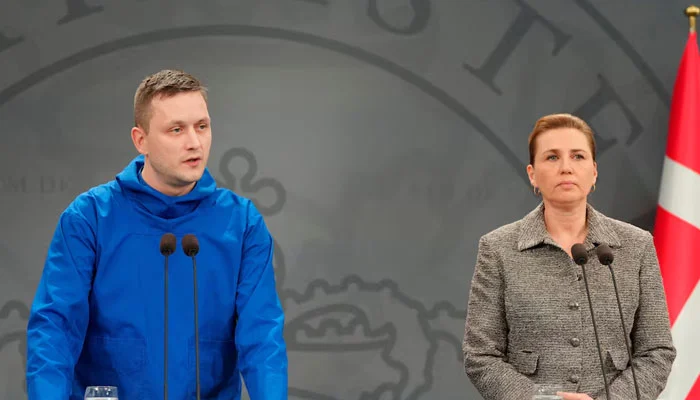
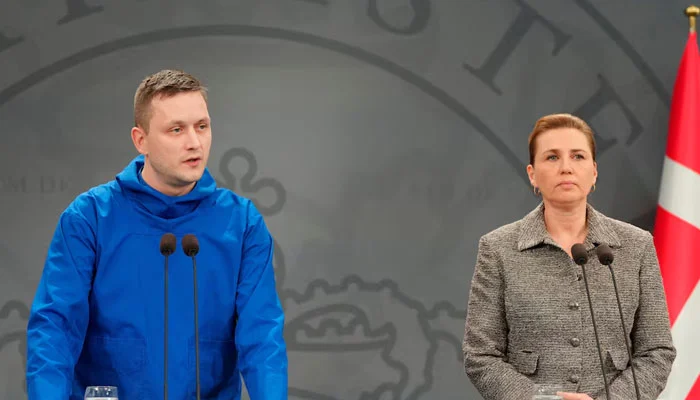
The tension reached a peak this week during a press conference in the Hall of Mirrors at the Prime Minister’s Office in Copenhagen. Standing side-by-side, Greenland’s Prime Minister, Jens-Frederik Nielsen, and Danish Prime Minister Mette Frederiksen presented a united front.
Nielsen didn’t mince words when addressing the rumors and proposals coming from the US administration. “We face a geopolitical crisis, and if we have to choose between the US and Denmark here and now, then we choose Denmark,” Nielsen told reporters. “We stand united in the Kingdom of Denmark.”
This declaration comes just ahead of a critical diplomatic trip. Foreign ministers from both Denmark and Greenland are scheduled to meet with US Vice President JD Vance and Secretary of State Marco Rubio in Washington. The goal? To de-escalate threats of taking control of the autonomous territory and to move the conversation from public posturing to a diplomatic meeting room.
The View from Nuuk: Residents Speak Out
While politicians debate in boardrooms, the sentiment on the ground in Greenland’s snow-covered capital, Nuuk, is equally strong. For decades, the conversation in Greenland has revolved around eventual independence from Denmark. However, the aggressive nature of recent US interest has caused many locals to hit the pause button on those dreams.
Finn Meinel, a lawyer based in Nuuk, noted that the current climate makes the Danish connection vital for security. “In the current circumstances, I think it would be wise for Greenland to commit to Denmark for a very, very long time and remain under the NATO security umbrella,” he explained.
Ordinary citizens share this confusion and concern regarding American intentions. Charlotte Heilmann, a pensioner, expressed that she couldn’t imagine life as an American. “We are part of Denmark, and NATO, so I don’t understand why he keeps saying he wants to take our country,” she said.
Paradoxically, the external pressure seems to have brought the community closer together. Casper Frank Moller, a local tour operator, observed that while people were focused on fast independence last year, the threat of annexation has created a new sense of unity.
Strategic Value vs. Cultural Home
Why is the US so interested in this icy island? Beyond the stunning landscapes, Greenland’s strategic importance to national security is undeniable. As the Arctic ice melts, new shipping routes are opening up, and the island is believed to sit on vast untapped deposits of rare earth minerals—resources essential for modern technology and military defense.
The Trump administration has reportedly discussed various plans, ranging from utilizing the US military to offering lump-sum payments to Greenlanders to encourage secession. However, these transactional offers miss the emotional reality of the people living there.
Naaja Nathanielsen, the cabinet minister responsible for business and energy, summed it up perfectly in London: “For others, this might be a piece of land, but for us, it’s home.” She emphasized that while they view the US as an ally, they do not see themselves as Americans.
The Hardest Part is Ahead
The upcoming meetings in Washington are expected to be tense. Danish Foreign Minister Lars Lokke Rasmussen and Greenland’s counterpart, Vivian Motzfeldt, requested the talks to look their American allies in the eye and resolve the dispute diplomatically.
Denmark is feeling the pressure to step up its own Arctic defenses to show it can hold its ground. Danish Defence Minister Troels Lund Poulsen is already planning meetings with NATO Secretary General Mark Rutte to discuss multinational exercises in the region by 2026.
As Danish Prime Minister Frederiksen noted, standing up to the US—their most important ally—is difficult. “But,” she warned, “the hardest part may still be ahead of us.”
For now, Greenland’s right to self-determination is being exercised in a way few predicted: by hugging its Danish partners closer than ever before.
Frequently Asked Questions (FAQs)
1. Is Greenland an independent country?
No, Greenland is an autonomous territory within the Kingdom of Denmark. While they have had self-governance since 1979 and manage their own domestic affairs, Denmark still handles foreign policy and defense.
2. Why does the US want to buy or control Greenland?
The US is interested in Greenland primarily for its strategic military location in the Arctic and its vast natural resources, including rare earth minerals which are vital for technology and defense manufacturing.
3. How do the people of Greenland feel about becoming a US territory?
Based on recent statements from residents and officials, the majority are against it. Most Greenlanders identify culturally with Denmark and Europe. They view the US as an ally, not a governing power, and prefer to remain part of the Kingdom of Denmark while slowly working toward their own independence on their own terms.
4. What is the “NATO security umbrella”?
This refers to the protection provided by the North Atlantic Treaty Organization (NATO). Since Denmark is a NATO member, an attack on Greenland is considered an attack on all member nations. This alliance provides military security and deterrence against potential adversaries in the Arctic region.