Trump to Iran: “Help Is on the Way” as Unrest Grows
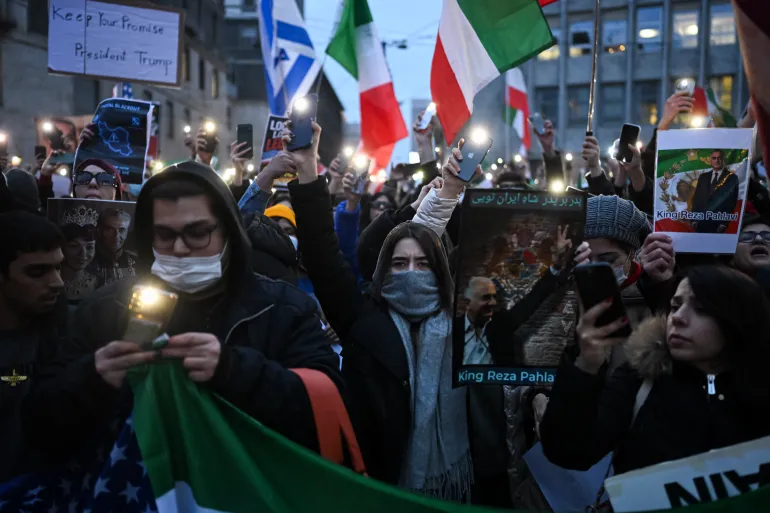
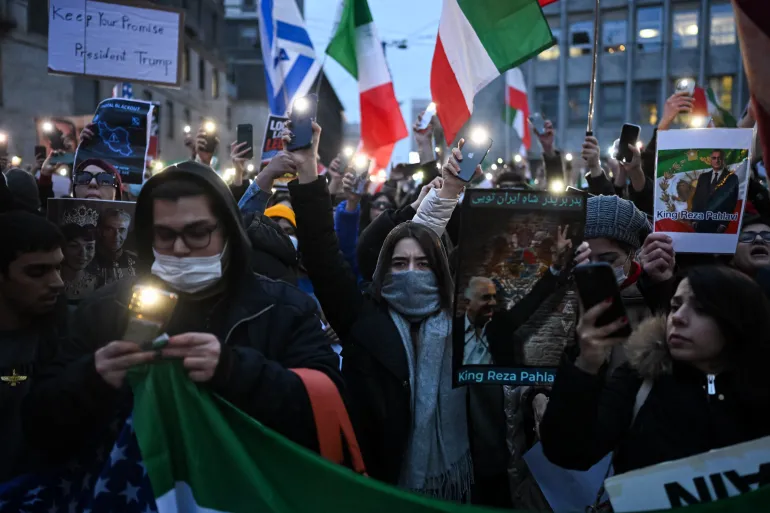
Tensions in the Middle East have reached a boiling point this January 2026. Following weeks of economic instability and a devastating currency collapse in Iran, the geopolitical landscape is shifting rapidly. In a move that signals a definitive end to recent diplomatic overtures, US President Donald Trump has issued a fiery directive to demonstrators to keep protesting against the ruling establishment, promising that American assistance is imminent.
Table of Contents
Here is a breakdown of the latest updates from Tehran and Washington, analyzing what this escalation means for the region.The White House Message: “Take Over Your Institutions”
The situation escalated dramatically early on January 13, 2026, when President Trump took to social media with a blunt message for the Iranian people. Abandoning diplomatic ambiguity, he explicitly encouraged citizens to keep protesting and to go a step further by taking over state institutions.
The President’s post was brief but heavy with implications. He stated, “Iranian Patriots, keep protesting – TAKE OVER YOUR INSTITUTIONS!!! Save the names of the killers and abusers.” Trump further announced the cancellation of all scheduled meetings with Iranian officials, effectively freezing diplomatic channels. He signed off with “MIGA” (Make Iran Great Again), signaling a new, aggressive policy approach.
Analysis: What Does “Help Is on the Way” Mean?
By urging the opposition to keep protesting, the US administration appears to be pivoting toward a strategy of regime change rather than negotiation. The President’s cryptic promise that “help is on the way” has sparked intense speculation regarding US military involvement.
Senator Lindsey Graham, a close ally of the President, provided a grim clarification of this vision. Graham suggested that the call for Iranians to keep protesting is part of a two-pronged attack. He described a potential “massive wave of military, cyber, and psychological attacks” designed to destroy the infrastructure used to suppress the population. According to Graham, the goal is to deal a “death blow” to the current system without necessarily putting American “boots on the ground.”
The Situation on the Ground: Blackouts and Bloodshed
Inside Iran, the reality is chaotic. The spark for this latest wave of unrest was the total collapse of the local currency, which decimated the savings of ordinary citizens. Despite a government-imposed internet blackout that has lasted for five straight days, brave demonstrators keep protesting in major cities, facing down security forces.
Reports on casualties vary wildly:
- State Media: Claims over 100 security personnel have been killed.
- Opposition Activists: Report hundreds of civilian deaths.
- The UN: Human Rights Chief Volker Turk expressed he is “horrified” by the violence and the reports of mass killings.
While the US urges the population to keep protesting, the Iranian government remains defiant. Foreign Minister Abbas Araghchi spoke to Al Jazeera, issuing a stern warning: “If Washington wants to test the military option it has tested before, we are ready for it.”
Government Response and Counter-Narratives
Tehran has organized tens of thousands of pro-government demonstrators in a show of force, attempting to drown out the opposition. Former Iranian officials are also pushing back against the Western narrative. Sayyed Atollah Mohajerani, a former minister, dismissed the US threats as repetitive history, insisting that the US cannot “finish the job” of toppling the government.
Mohajerani also deflected human rights criticisms by pointing to domestic issues in the US, specifically referencing the recent controversial shooting of Renee Nicole Good by an immigration agent in Minneapolis.
Conclusion
As January 2026 unfolds, the standoff between Washington and Tehran is more volatile than ever. With the internet cut and diplomatic bridges burned, the world watches to see if the decision to keep protesting will lead to liberation or further tragedy for the Iranian people.
Frequently Asked Questions (FAQs)
1. Why are people protesting in Iran in January 2026?
The primary trigger for the current unrest is a catastrophic collapse in the value of Iran’s currency, the Rial. This economic crisis has wiped out savings and made daily life unaffordable, leading to widespread anger against the government.
2. What did Donald Trump say to the Iranian protesters?
President Trump urged Iranian patriots to “keep protesting” and “take over institutions.” He also stated that he has cancelled all meetings with Iranian officials and promised that “help is on the way,” implying potential US intervention.
3. Is the US planning a ground invasion of Iran?
According to Senator Lindsey Graham, the US strategy does not involve “boots on the ground.” Instead, the “help” Trump referred to likely involves cyber warfare, psychological operations, and targeted strikes on military infrastructure.
4. How has the Iranian government responded to the protests?
The Iranian government has cut off the internet for five days to disrupt communication. They have also warned the US that they are ready for war if provoked. Additionally, state media reports that security forces are engaging with protesters, with high casualty numbers reported on both sides.