Japan's massive earthquake injures dozens
Introduction: A Frighthat Shook Japan Late Monday Night
A powerful earthquake measuring 7.5 magnitude struck northeastern Japan late Monday night, sending shockwaves of fear across the nation. The japan earthquakes tsunami warning issued immediately after the tremor prompted authorities to urge coastal residents to seek higher ground. At least 50 people have been reported injured, with the Aomori and Hokkaido prefectures bearing the brunt of the disaster. As the country braces for potential aftershocks and additional tremors throughout the week, millions of Japanese citizens remain on high alert.
Table of Contents
What Happened: The Earthquake Details
Magnitude and Location
The earthquake struck at approximately 11:15 PM local time on Monday (2:15 PM GMT), catching many residents off guard as they prepared for sleep. Initially recorded as a 7.6 magnitude event, the Japan Meteorological Agency later revised it to 7.5 magnitude. The epicenter was located at a depth of 53.1 kilometers (approximately 33 miles) off the coast of the northern Aomori prefecture.
This region sits along a major seismic trench where the Pacific Plate continuously dives beneath Honshu Island, making it one of the most earthquake-prone areas in the world. The geological activity in this zone has historically produced some of Japan’s most devastating earthquakes.
Immediate Impact
The japan earthquakes tsunami warning was issued for multiple prefectures including Aomori, Iwate, and Hokkaido’s Central Pacific Coast. Additionally, tsunami advisories were announced for Miyagi, Fukushima, and Hokkaido’s West and East Pacific Coast regions.
The majority of the 50 injuries were reported in the Aomori and Hokkaido prefectures. While most injuries were minor, the psychological impact on residents, especially those who remember the devastating 2011 Tohoku earthquake and tsunami, cannot be underestimated.
Tsunami Warnings and Coastal Alerts
Historic Alert Issued
For the first time in Japan’s history, the Japan Meteorological Agency issued a special alert for coastal areas covering 182 municipalities across seven prefectures, stretching from Hokkaido in the north to Chiba in the south. This unprecedented japan earthquakes tsunami warning reflected the severity of the situation and the potential danger facing coastal communities.
Wave Observations
The highest tsunami waves observed reached approximately 70 centimeters (nearly 27.5 inches) in Iwate prefecture. While this may seem relatively small compared to the catastrophic waves of 2011, any tsunami activity poses significant risks to coastal infrastructure, boats, and people near the shore.
Following careful monitoring and assessment, authorities eventually downgraded all warnings to advisory level, providing some relief to anxious residents. However, officials emphasized the importance of remaining vigilant.
Widespread Disruption Across the Region
Transportation Chaos
The earthquake caused significant disruption to Japan’s renowned transportation network. JR East, the country’s major railway company, suspended bullet train services on the Tohoku Shinkansen Line between Morioka in Iwate province and Shin-Aomori in the neighboring province of Aomori. Safety inspections were necessary before services could resume.
Utilities and Essential Services
The japan earthquakes tsunami warning situation was compounded by infrastructure damage that left thousands without essential services:
- Approximately 2,700 homes in Aomori experienced power outages
- Around 1,360 homes in the Aomori and Iwate prefectures were left without water due to damaged pipes
- Schools were suspended across various affected areas
- At least 31 patients from a quake-damaged hospital in Mutsu, Aomori prefecture, had to be transferred to nearby medical facilities
Evacuation Efforts
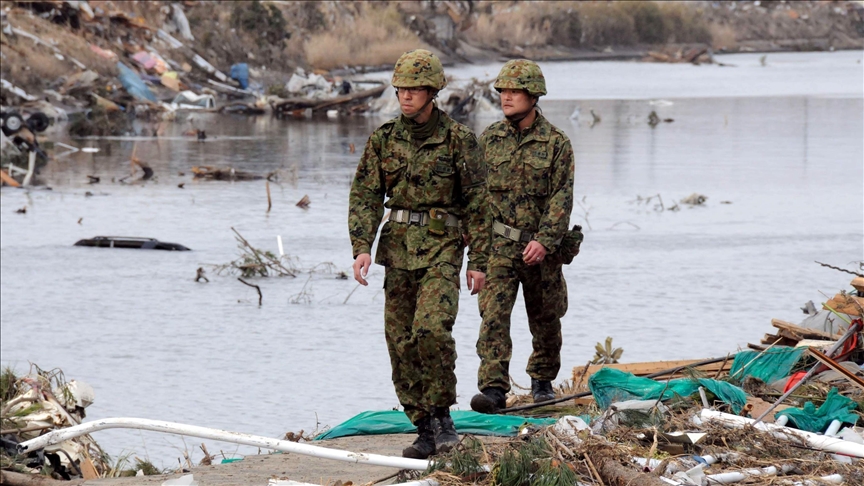
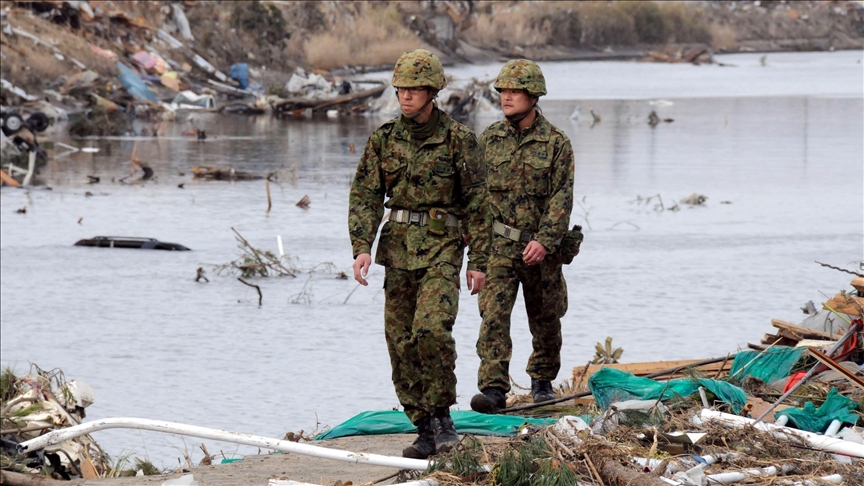
Defense Minister Shinjiro Koizumi announced that a military base in the city of Hachinohe in Aomori, the most severely hit area, has been designated as an official evacuation center. Hundreds of residents were moved there for their safety.
In Hidaka city on the Pacific coast of Hokkaido, more than 200 people, including elderly individuals and young children, sought refuge at a municipal center. The situation was made more challenging by freezing temperatures, with thermometers reading minus 7.8°C (approximately 18°F) on Tuesday morning.
Nuclear Safety Concerns
Fukushima Discharge Halted
The strong earthquake prompted immediate precautionary measures at nuclear facilities across the region. Most notably, Tokyo Electric Power Company (TEPCO) suspended the ocean discharge of nuclear-contaminated wastewater from the crippled Fukushima Daiichi Nuclear Power Plant following the japan earthquakes tsunami warning.
This controversial discharge program, which has been ongoing since 2023, involves releasing treated radioactive water from the damaged plant into the Pacific Ocean. The suspension was a precautionary measure to ensure no complications arose during the seismic activity.
Other Nuclear Facilities
While no abnormalities were reported at nuclear plants in Hokkaido or the northeastern prefectures of Aomori, Miyagi, and Fukushima, one minor incident was noted. Water leaked from a spent fuel storage pool at a nuclear fuel reprocessing plant in Rokkasho, a Pacific coastal village in Aomori. Authorities confirmed that the leaked water did not spread outside the building, and no radiation concerns were raised.
Government Response and Future Warnings
Prime Minister’s Statement
Prime Minister Sanae Takaichi addressed the nation, urging residents to remain vigilant and follow updates from local officials. She emphasized the importance of taking precautionary measures such as securing unstable household items and staying prepared for potential evacuation.
“The government asks residents to continue social and economic activities while maintaining a readiness to evacuate immediately if any shaking is felt,” Takaichi told reporters.
Warning of More Tremors
Authorities have warned that the region could experience another earthquake of similar or even greater intensity in the coming days. This japan earthquakes tsunami warning for future seismic activity has prompted the government to order thousands of residents to prepare for potential evacuation.
More than 10 moderate aftershocks, ranging from magnitude 5.0 to 6.6, were reported in the hours following the main quake, according to the US Geological Survey. These aftershocks serve as a reminder that the seismic activity in the region is far from over.
Understanding Japan’s Earthquake Risk
Why Japan Experiences So Many Earthquakes
Japan sits on the “Ring of Fire,” a horseshoe-shaped zone around the Pacific Ocean where approximately 90% of the world’s earthquakes occur. The country experiences around 1,500 earthquakes annually, with most being too small to notice. However, major earthquakes like this recent event serve as stark reminders of the ever-present danger.
Historical Context
The recent japan earthquakes tsunami warning brings back memories of previous disasters:
- 2011 Tohoku Earthquake and Tsunami: A 9.0 magnitude earthquake triggered a massive tsunami that killed nearly 20,000 people and caused the Fukushima nuclear disaster
- 2024 Noto Peninsula Earthquake: A 7.6 magnitude quake on New Year’s Day killed over 200 people
- 1995 Kobe Earthquake: A 6.9 magnitude earthquake killed over 6,400 people
Japan has invested heavily in earthquake preparedness, including early warning systems, strict building codes, and regular disaster drills. These measures have significantly reduced casualties in recent years.
How to Stay Safe During Earthquakes in Japan
Before an Earthquake
- Identify safe spots in your home (under sturdy tables, away from windows)
- Secure heavy furniture and appliances
- Prepare an emergency kit with water, food, flashlight, and first aid supplies
- Know your evacuation routes
During an Earthquake
- Drop, cover, and hold on
- Stay away from windows and heavy objects
- If outdoors, move to an open area away from buildings
- If driving, pull over safely and stay in the vehicle
After an Earthquake
- Check for injuries and damage
- Be prepared for aftershocks
- Follow official instructions and evacuation orders
- Avoid damaged buildings and infrastructure
Conclusion
The recent earthquake and the subsequent alerts serve as a powerful reminder of Japan’s vulnerability to natural disasters. While the country’s advanced early warning systems and preparedness measures helped minimize casualties, the situation remains serious with authorities warning of potential future tremors. The swift government response, including evacuations and infrastructure assessments, demonstrates Japan’s experience in handling such crises. As residents across northeastern Japan remain on alert, the coming days will be crucial in determining whether additional seismic activity poses further threats to the region.
1. How strong was the earthquake that struck Japan?
The earthquake measured 7.5 magnitude and struck at a depth of 53.1 kilometers off the coast of northern Aomori prefecture. It was initially recorded as 7.6 before being revised.
2. Were there any deaths reported from this earthquake?
As of the latest reports, no deaths have been confirmed. However, at least 50 people were injured, primarily in the Aomori and Hokkaido prefectures.
3. Is there a risk of more earthquakes in Japan this week?
Yes, Japanese authorities have warned that the region could experience another earthquake of similar or greater intensity in the coming days. More than 10 aftershocks ranging from magnitude 5.0 to 6.6 have already been recorded.
4. Was the Fukushima nuclear plant affected by this earthquake?
While no abnormalities were reported at the plant, TEPCO suspended the ocean discharge of treated radioactive water as a precautionary measure following the tsunami warning.
5. How high were the tsunami waves from this earthquake?
The highest tsunami waves observed reached approximately 70 centimeters (about 27.5 inches) in Iwate prefecture. All tsunami warnings have since been downgraded to advisory level.
About the Author